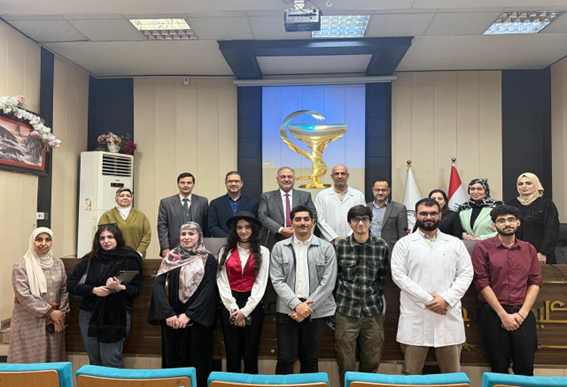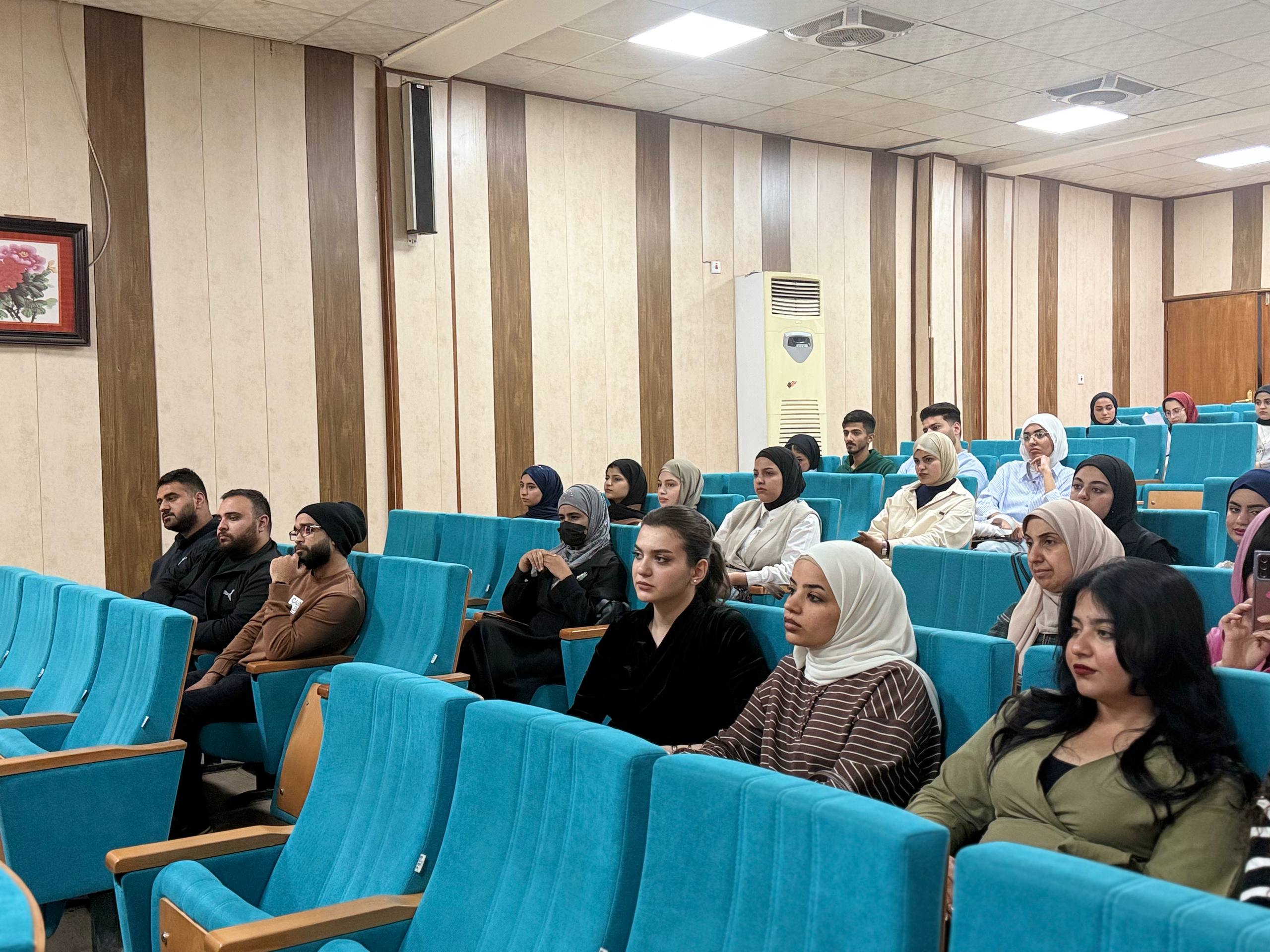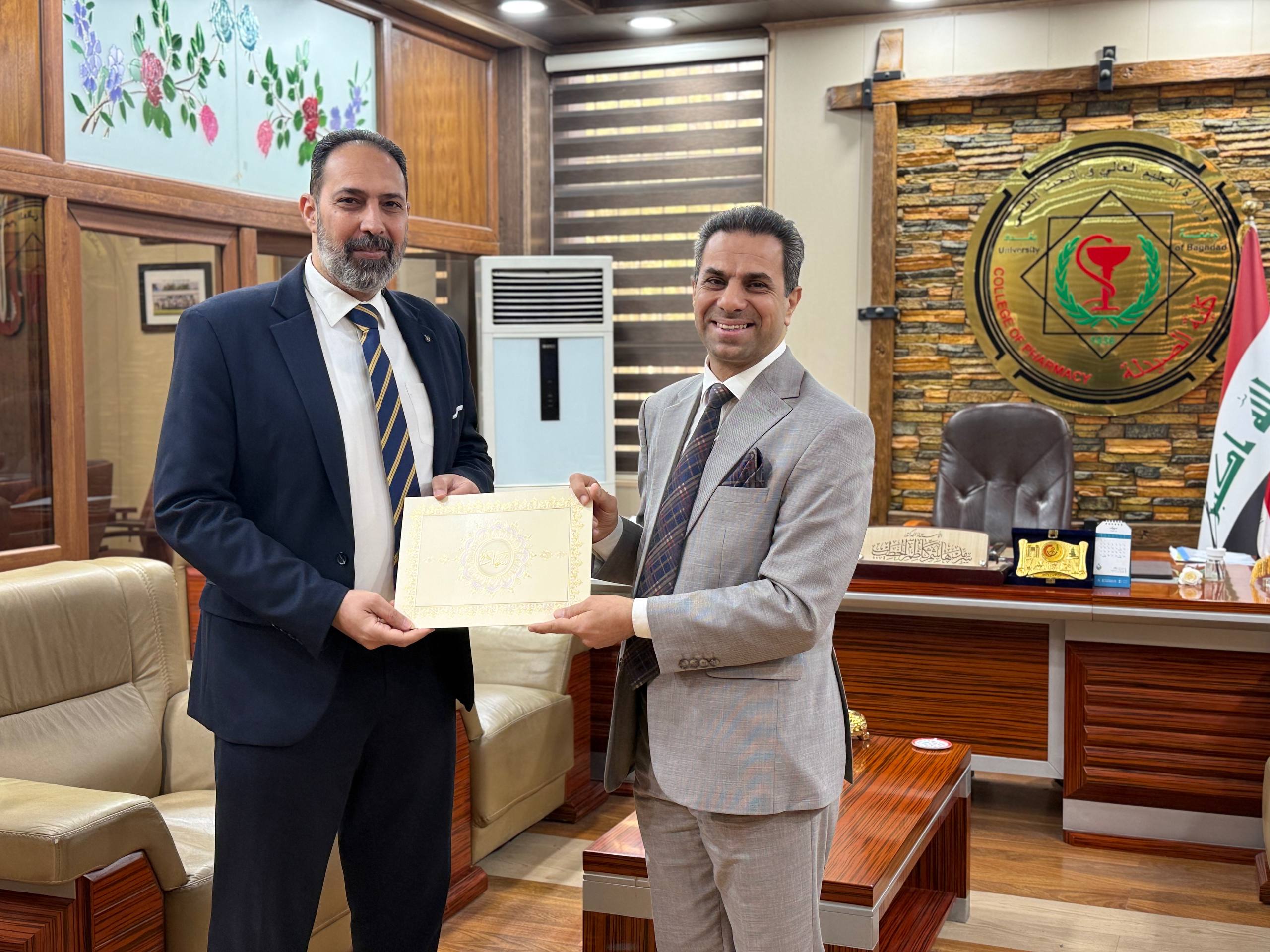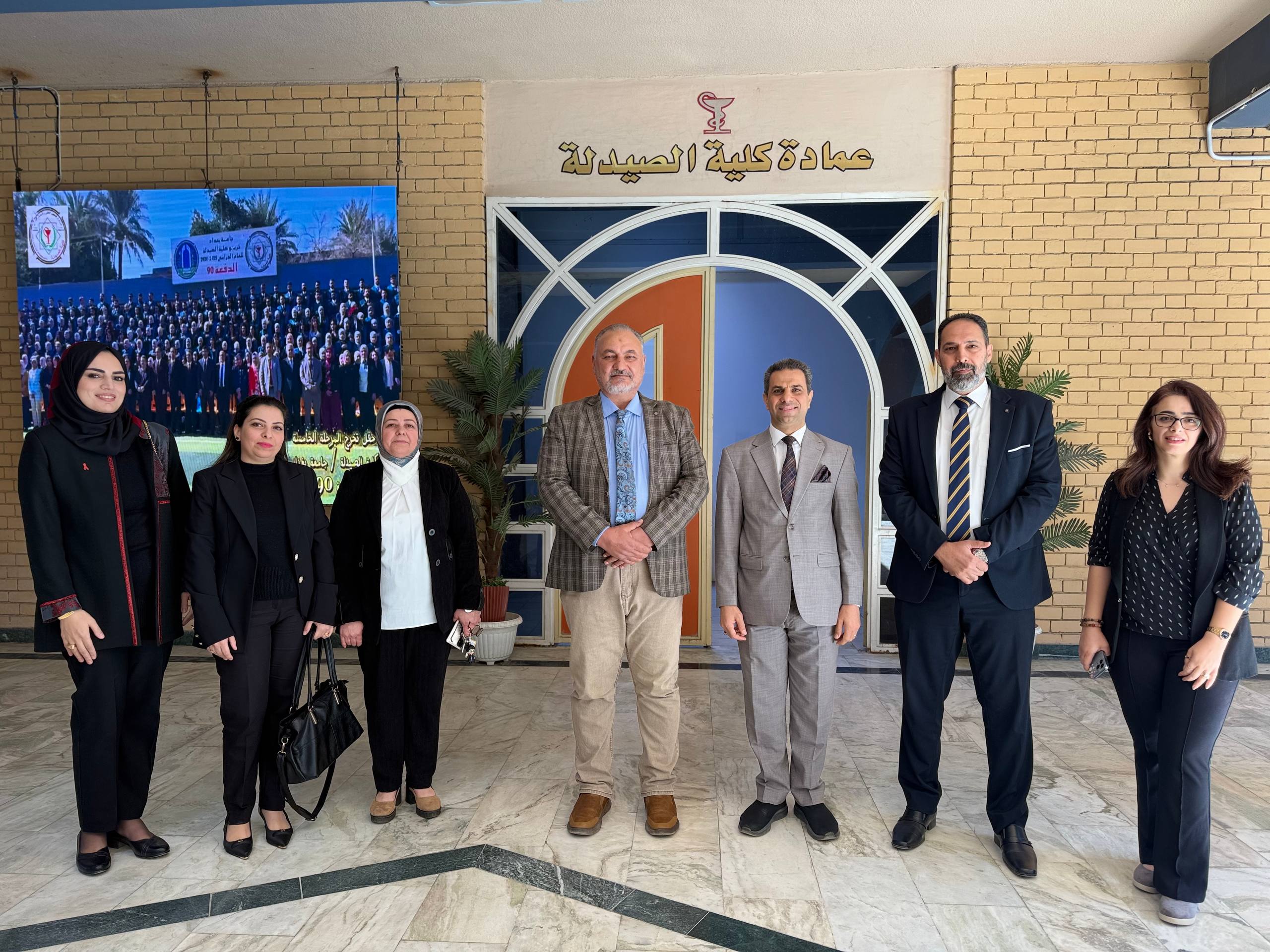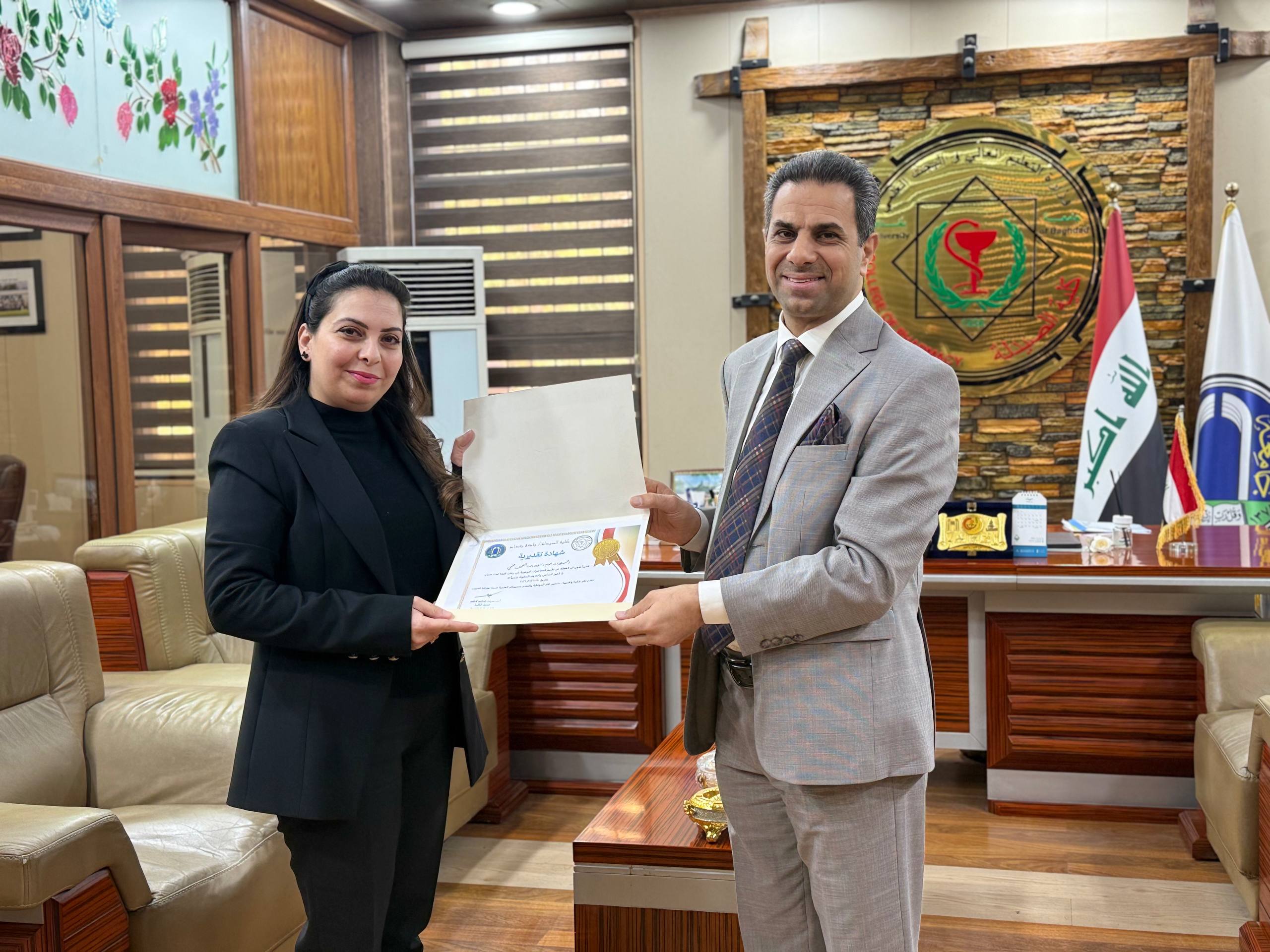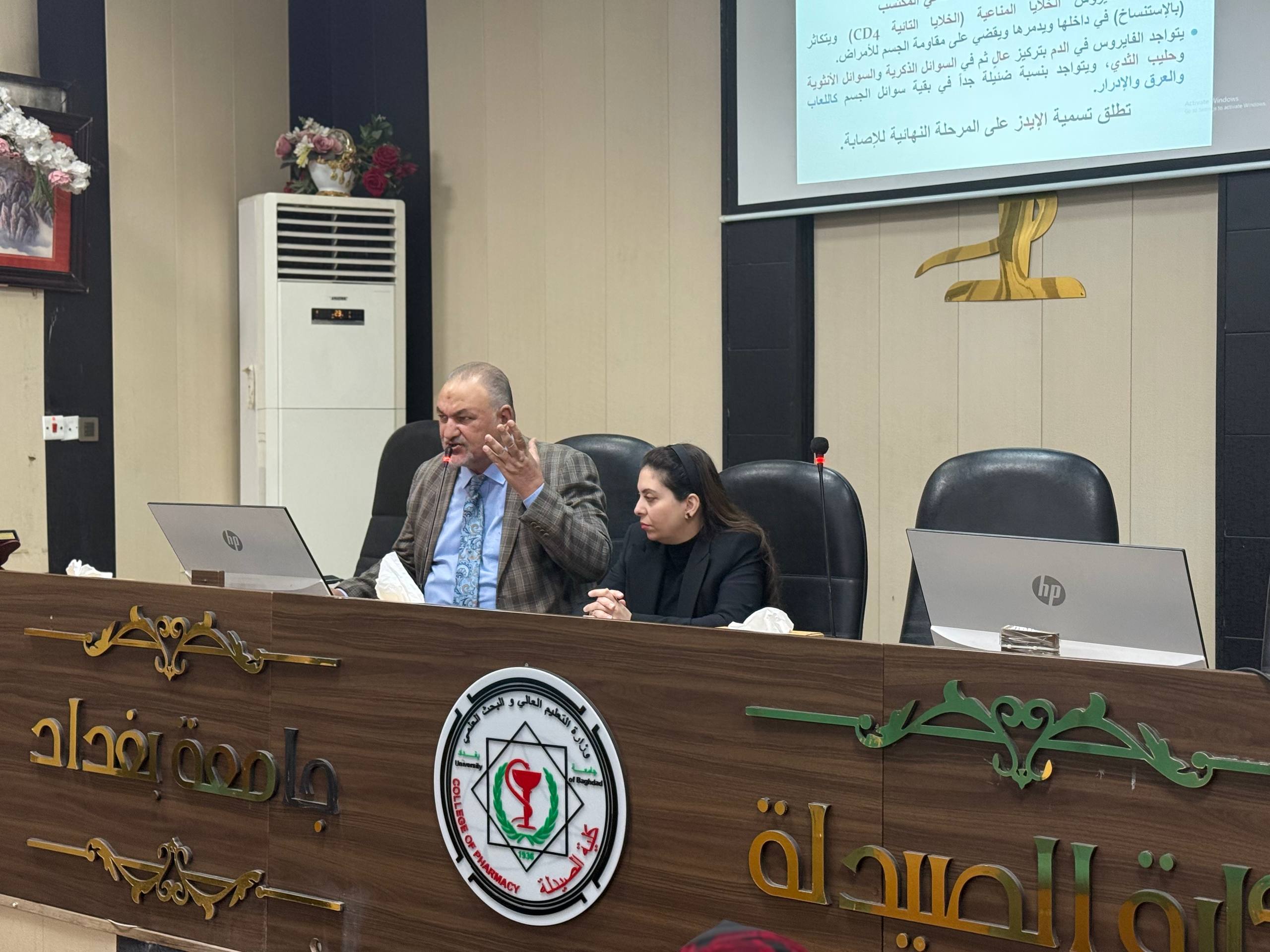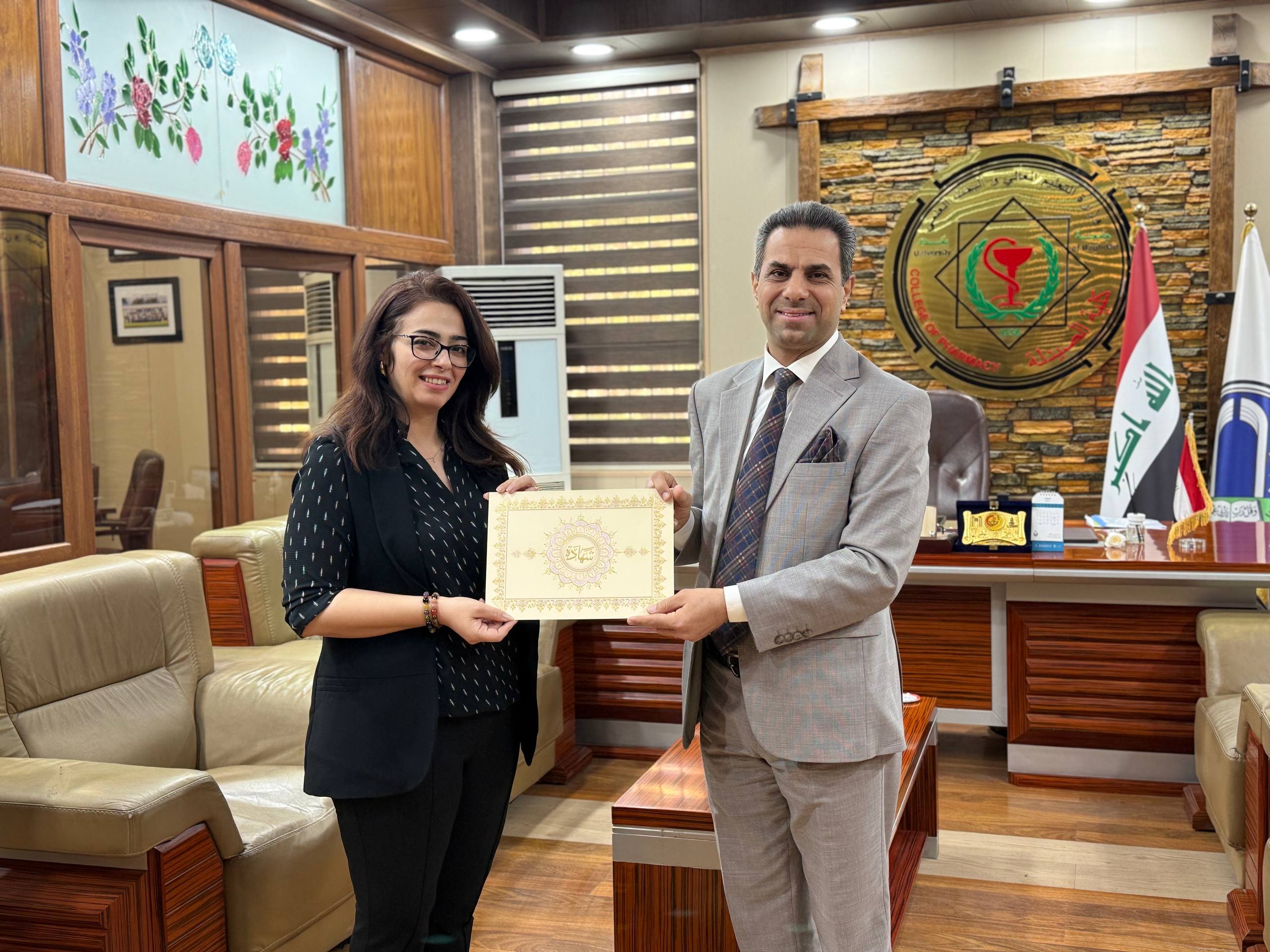
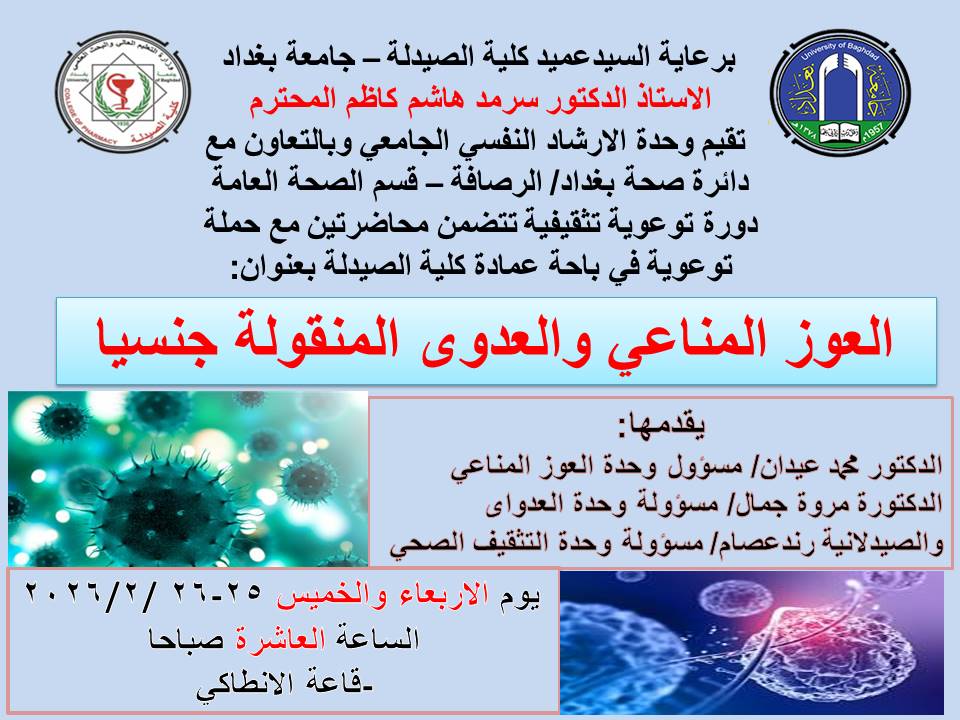
Under the supervision of the Dean of College of Pharmacy, Professor Dr. Sarmed H. Kathem Alkhateeb, the University Psychological Counseling Unit and the Volunteer Work Unit at the College of Pharmacy/University of Baghdad, in cooperation with the Ministry of Health/National Center for the Control of Immunodeficiency, organized an educational awareness campaign on Wednesday and Thursday, February 25–26, 2026, entitled “Immunodeficiency and Sexually Transmitted Infections,” delivered by Dr. Mohammed Aidan, Director of the Immunodeficiency Unit; Dr. Marwa Jamal, Director of the Infection Unit; and Pharmacist Rand Issam, Director of the Health Education Unit.
The campaign aimed to raise the level of health awareness within the university campus, promote concepts of prevention and early disease detection, correct misconceptions related to certain infectious diseases, and reinforce a culture of individual and community health responsibility.
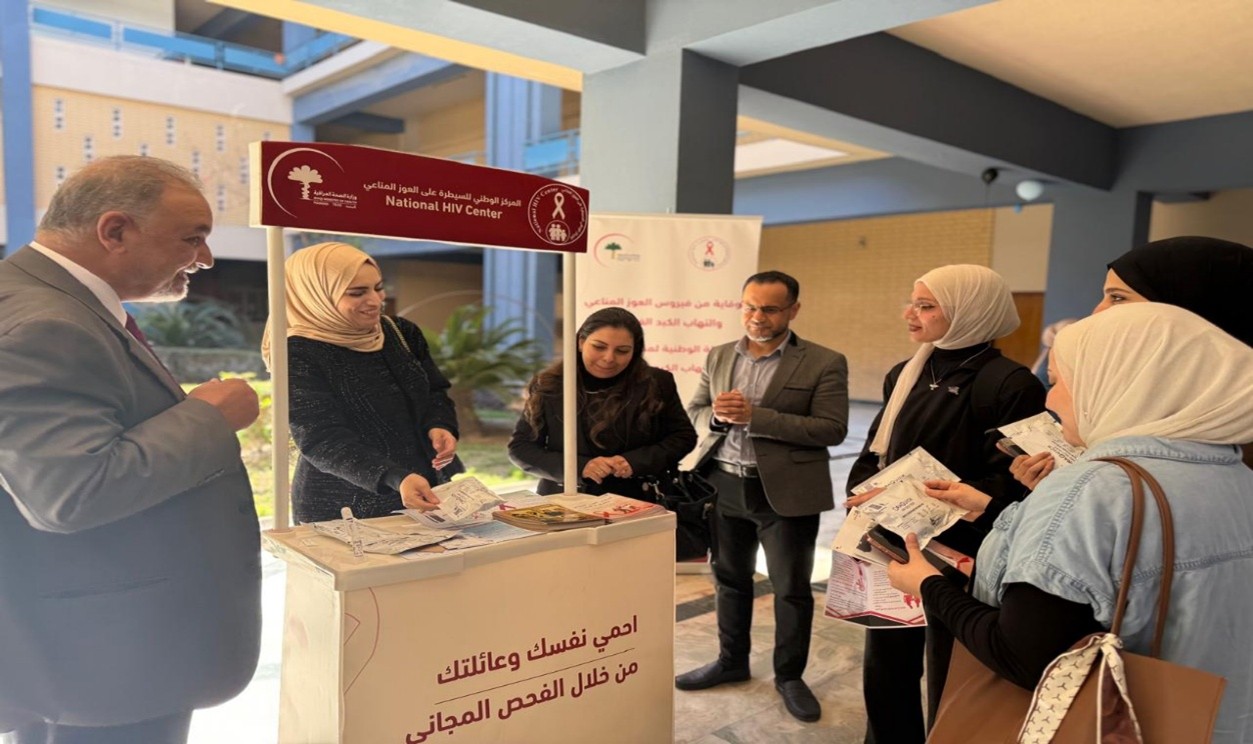
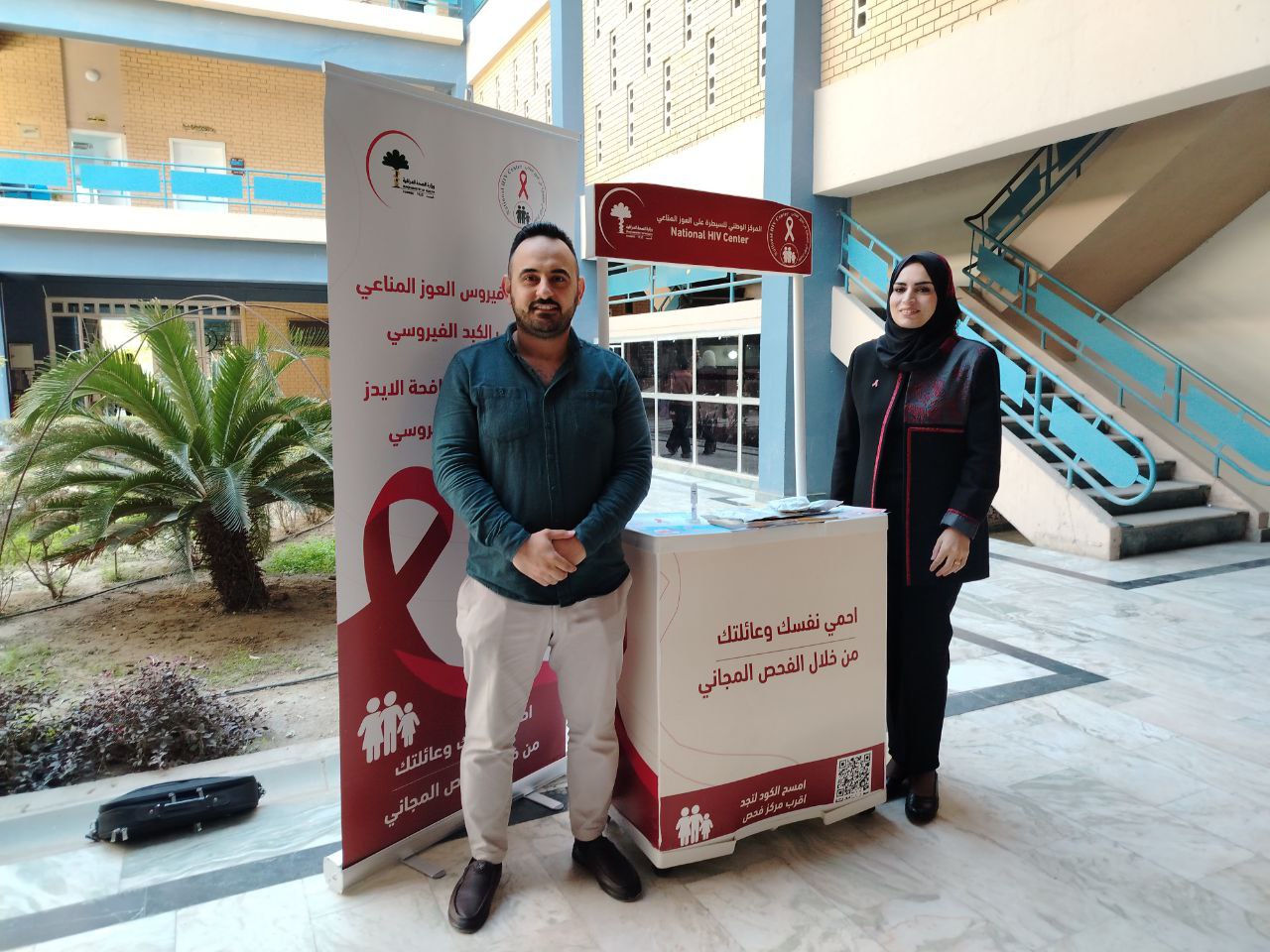
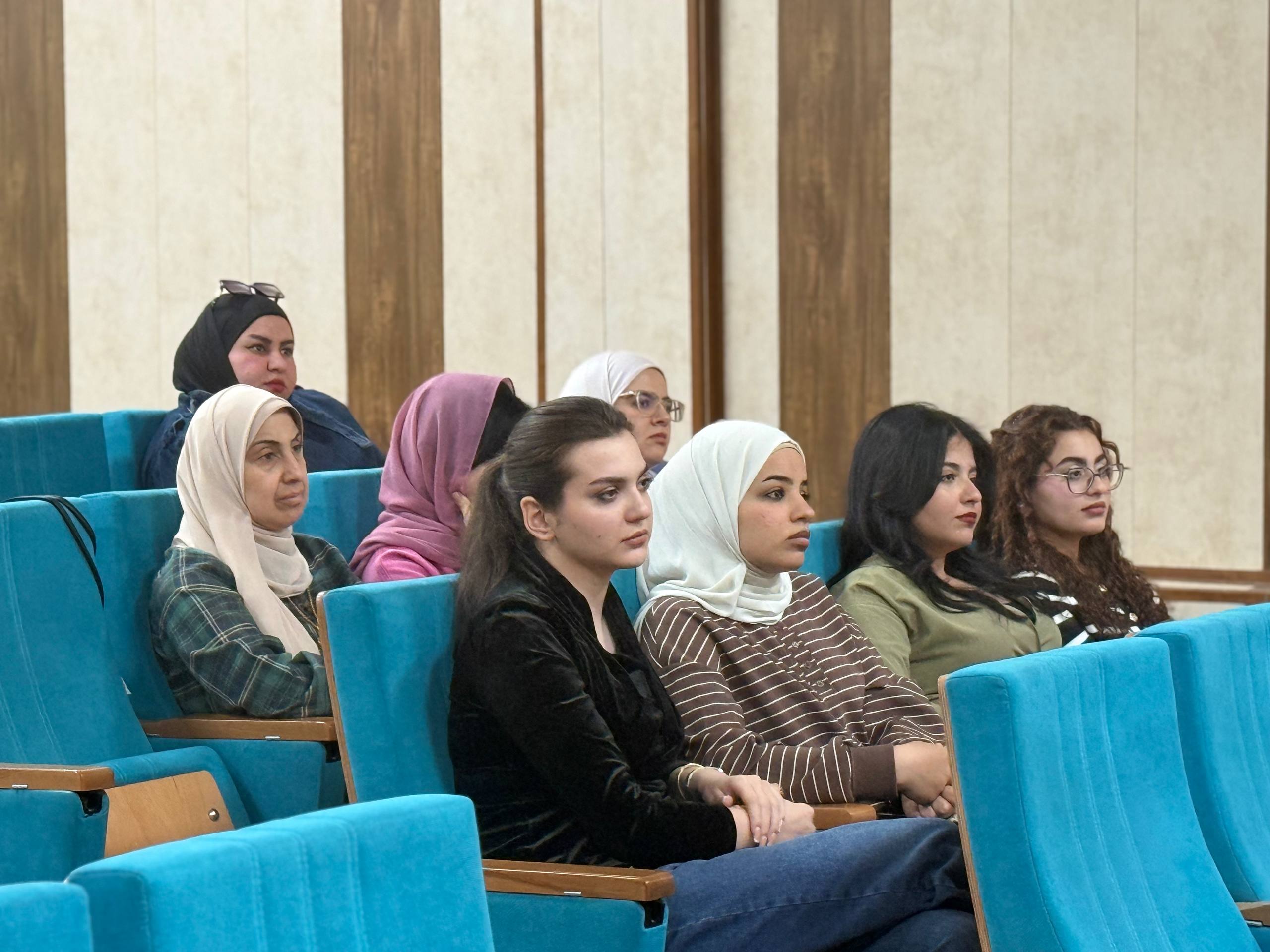
The campaign included specialized scientific lectures on immunodeficiency and sexually transmitted infections, delivered by a distinguished group of experts in medical and pharmaceutical fields. The lectures addressed scientific and preventive aspects, as well as strategies to limit the transmission of infections. The event also featured an educational health awareness booth, through which informational and scientific brochures were distributed. Direct consultations were provided by specialized staff to enhance engagement and respond to students’ and employees’ inquiries. Additionally, voluntary testing was made available for those interested in an environment that ensured full privacy and confidentiality. The booth witnessed notable attendance, as participants showed significant interest in obtaining accurate information from reliable scientific sources, reflecting a growing awareness of the importance of correct health knowledge.
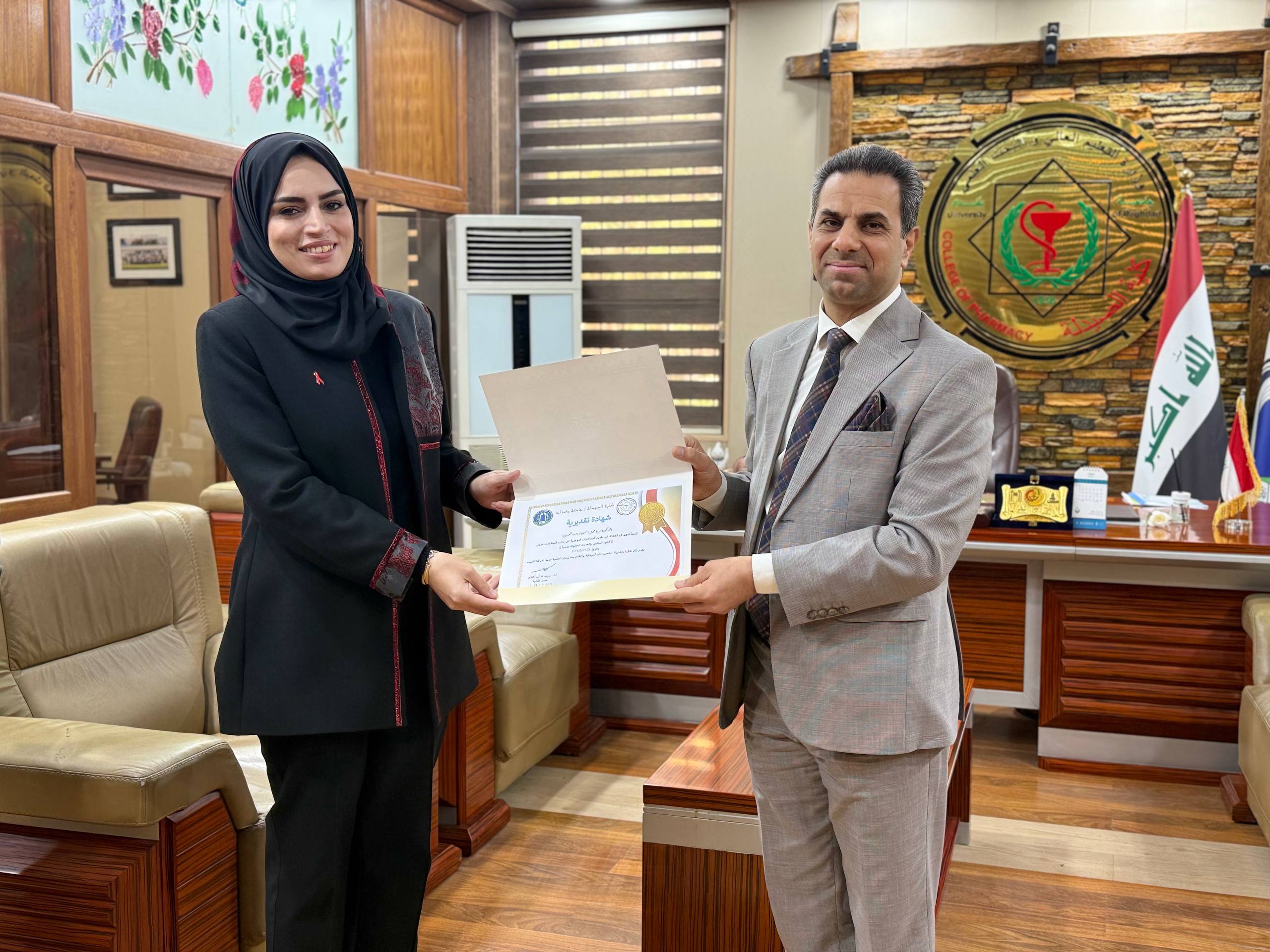
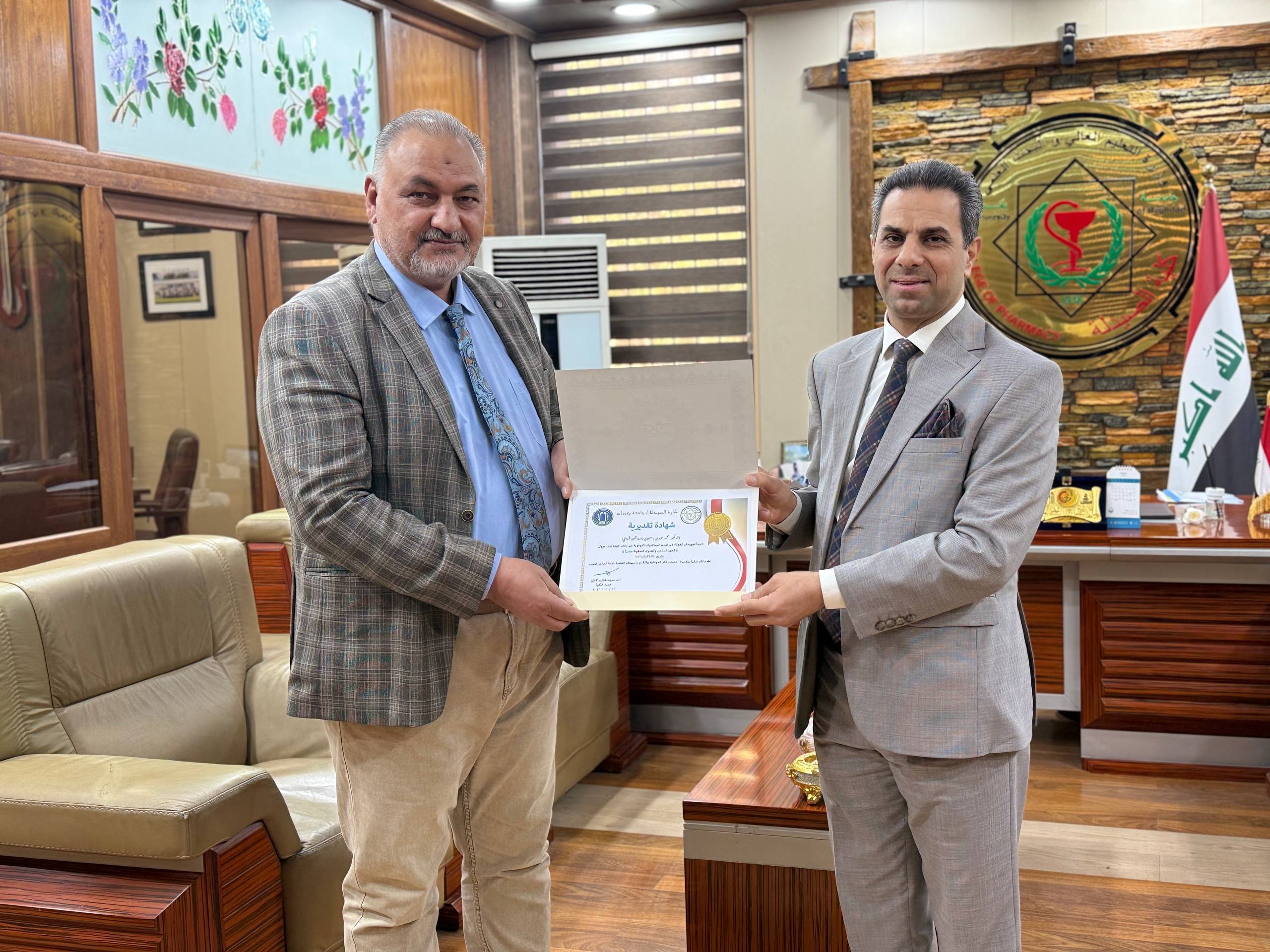
The campaign concluded by emphasizing the importance of sustaining awareness programs within academic institutions due to their effective role in promoting health literacy, encouraging preventive behaviors, and reinforcing the concept that prevention and early detection represent the fundamental pillars of maintaining health and enhancing quality of life. The campaign received wide appreciation from students and staff members, who stressed the importance of continuing such awareness activities, as they contribute to building a health-conscious academic community capable of adopting positive behaviors that protect individual and public health.