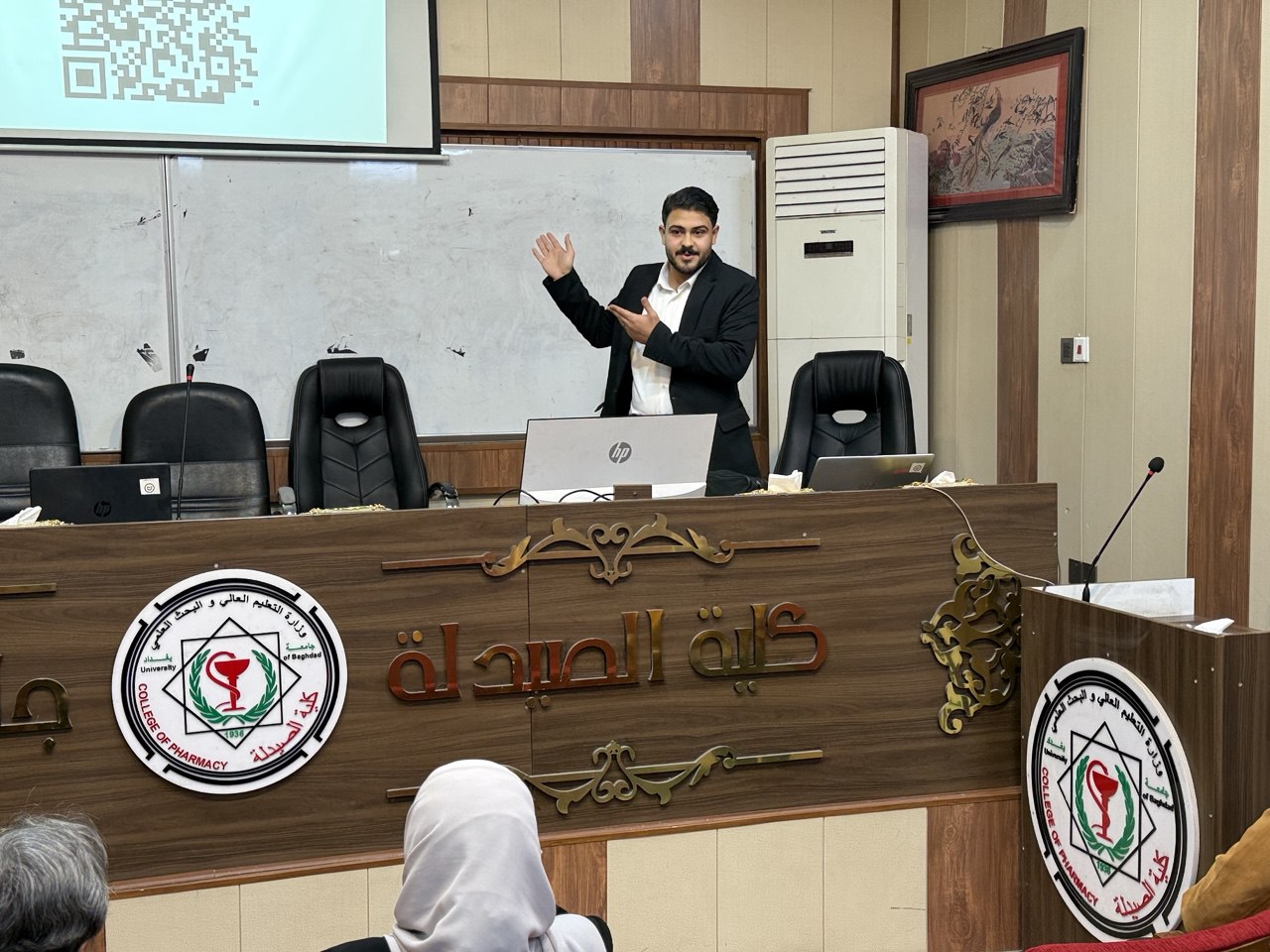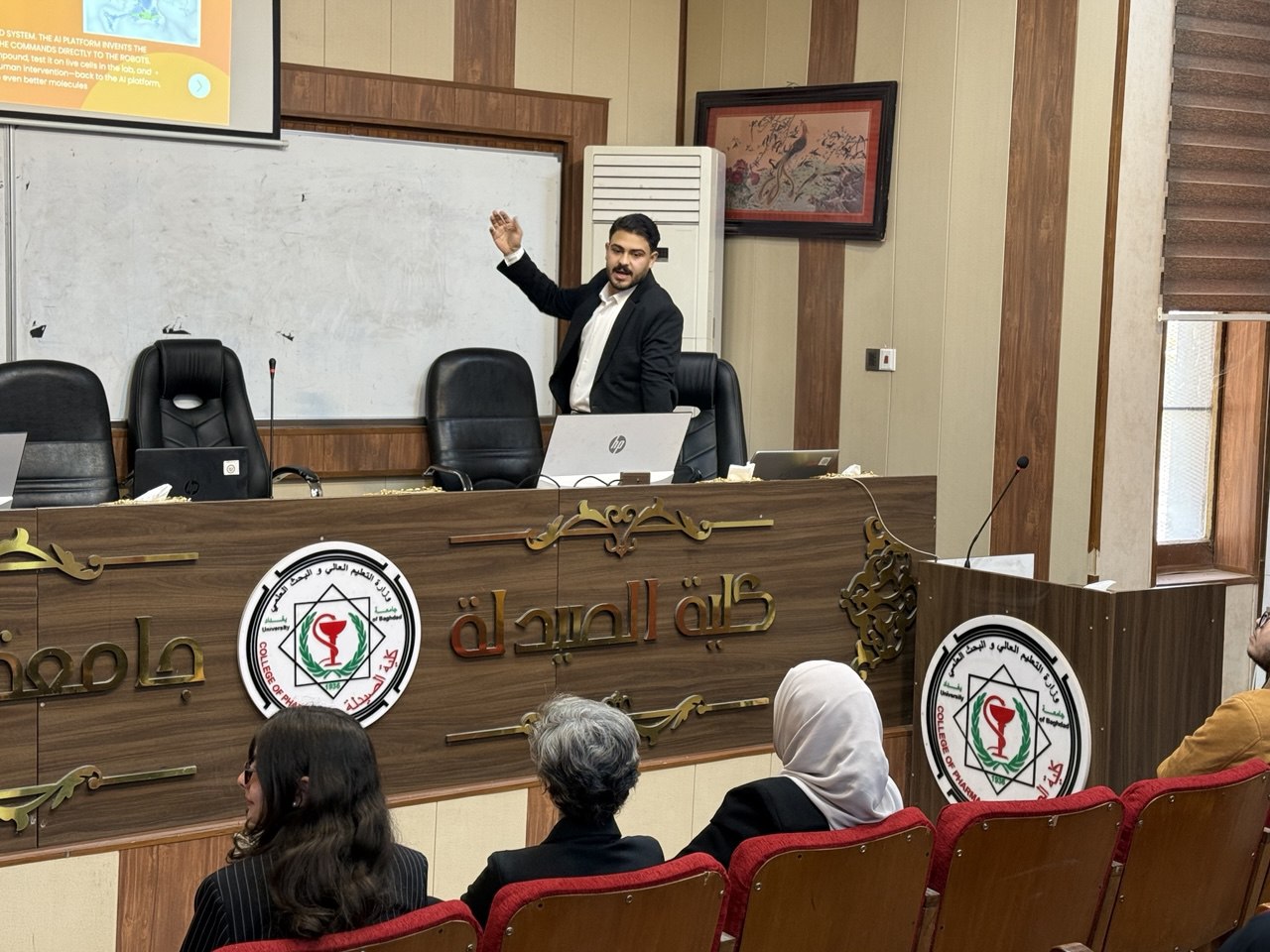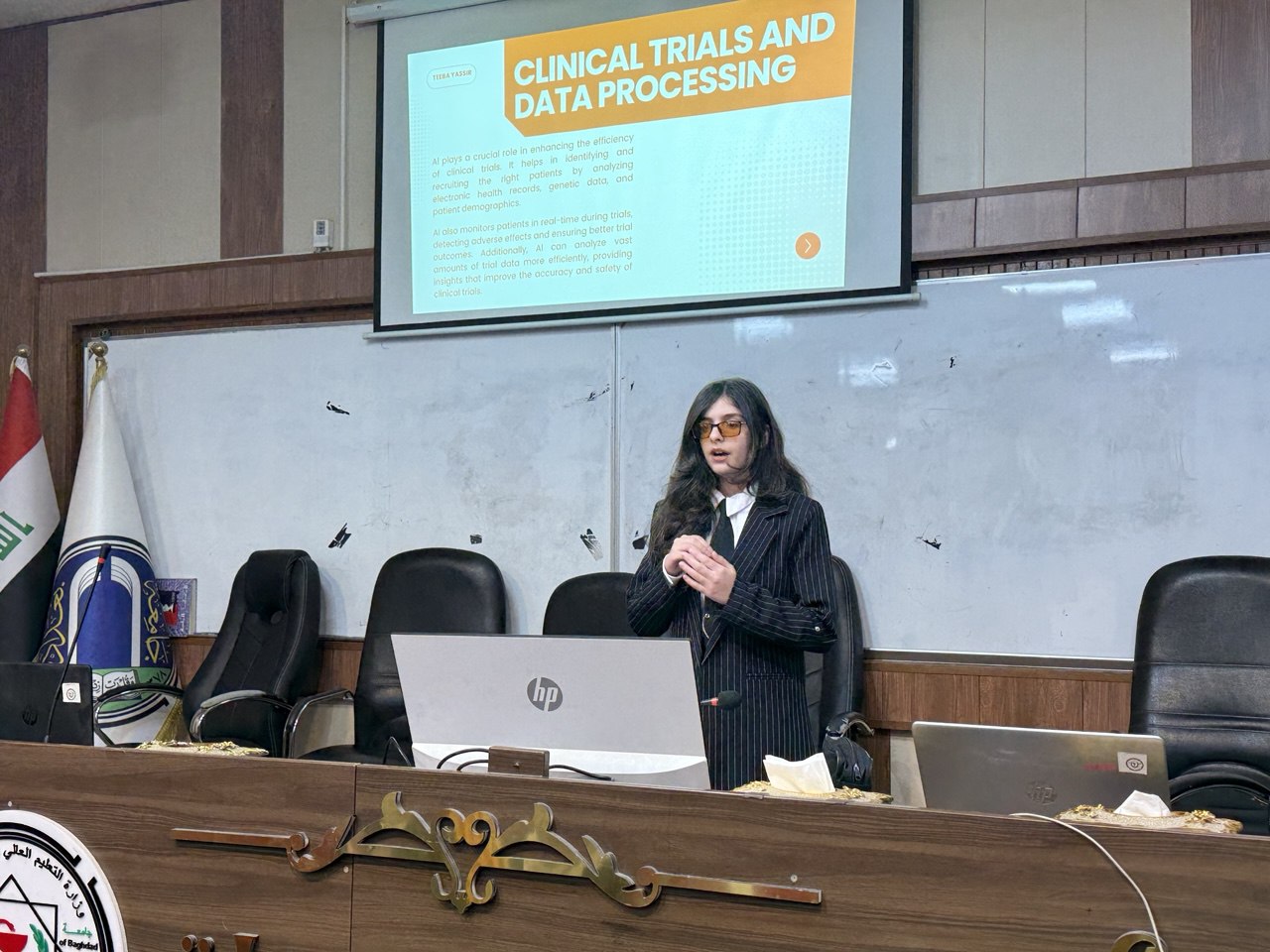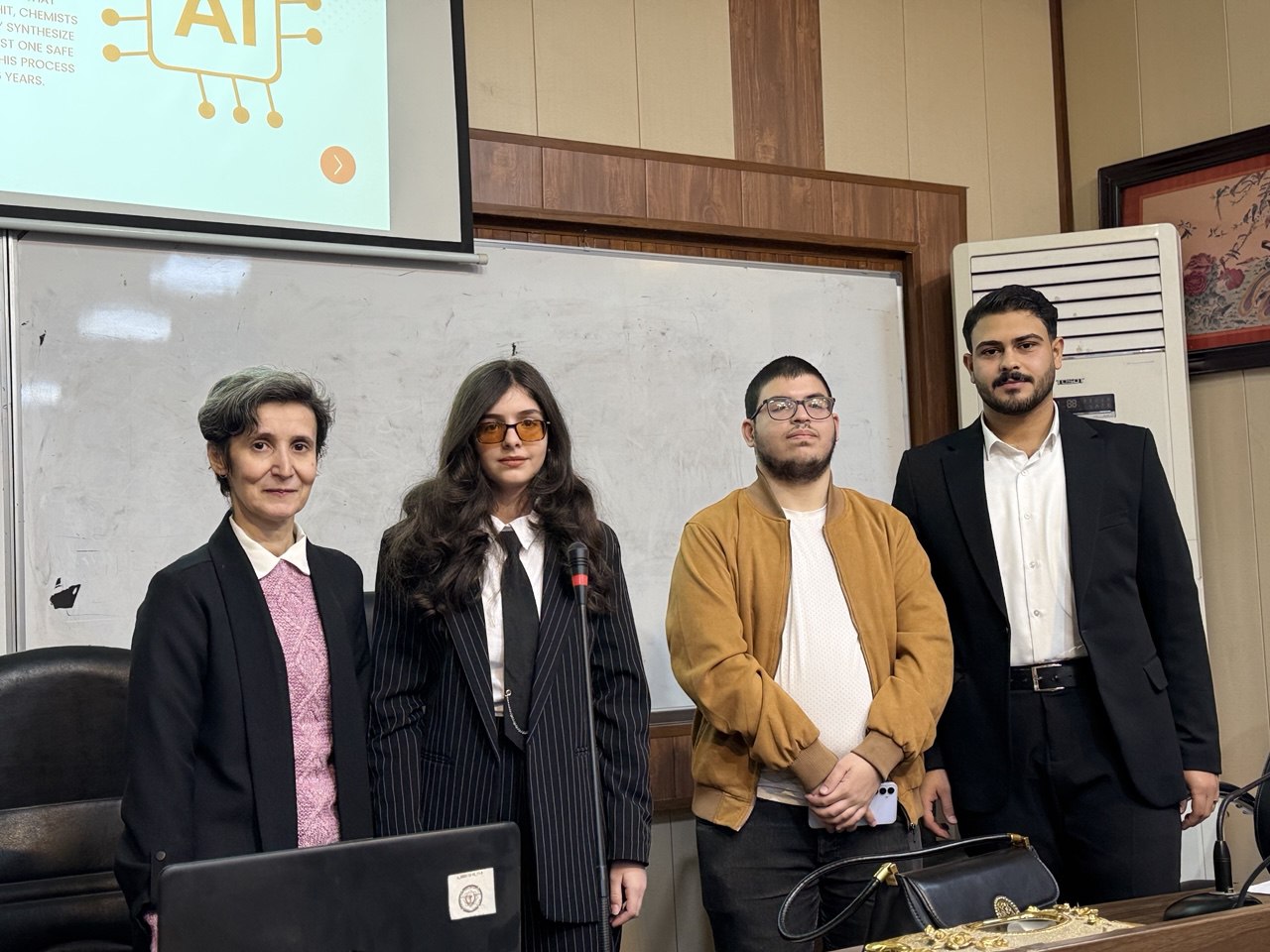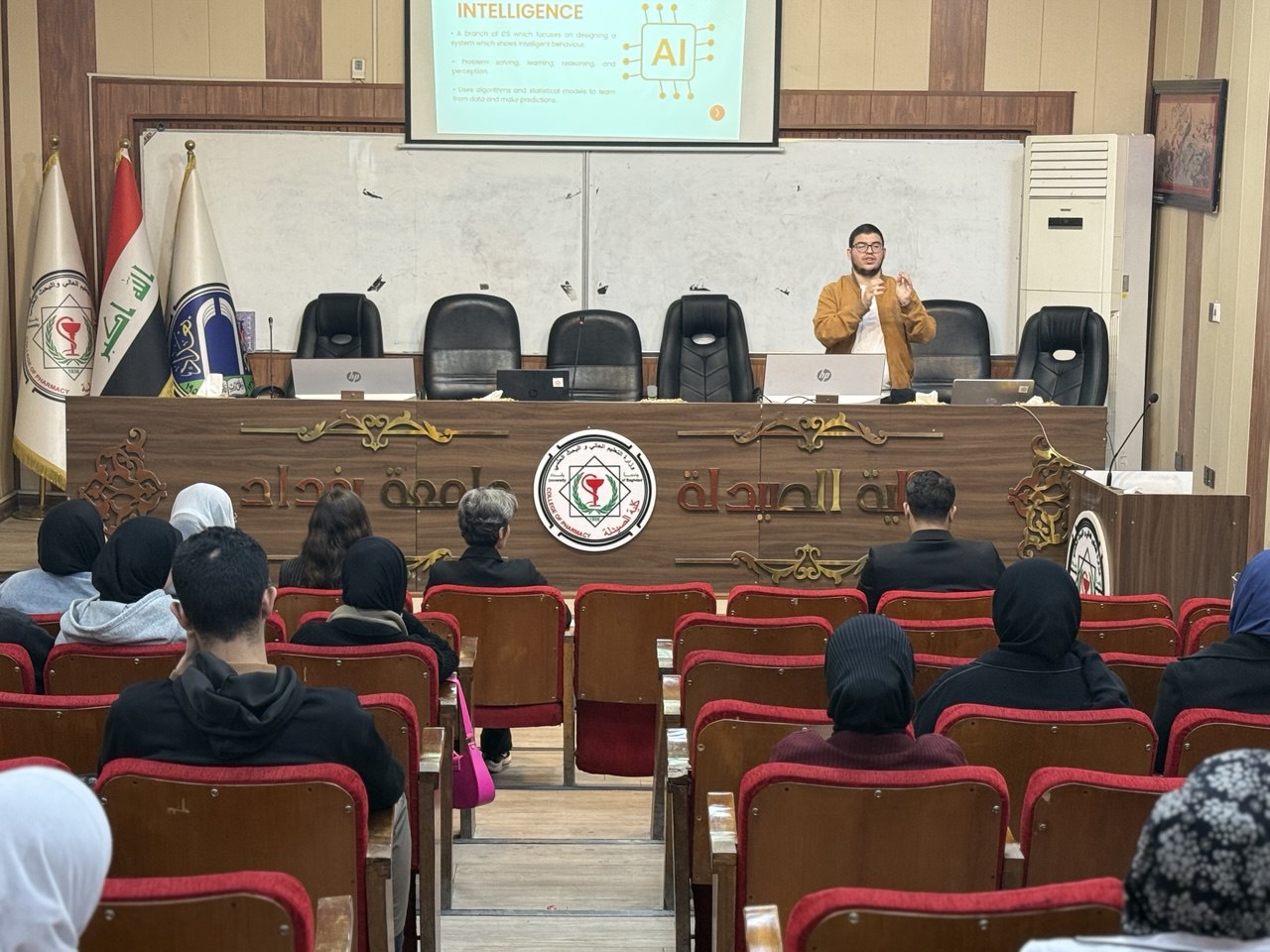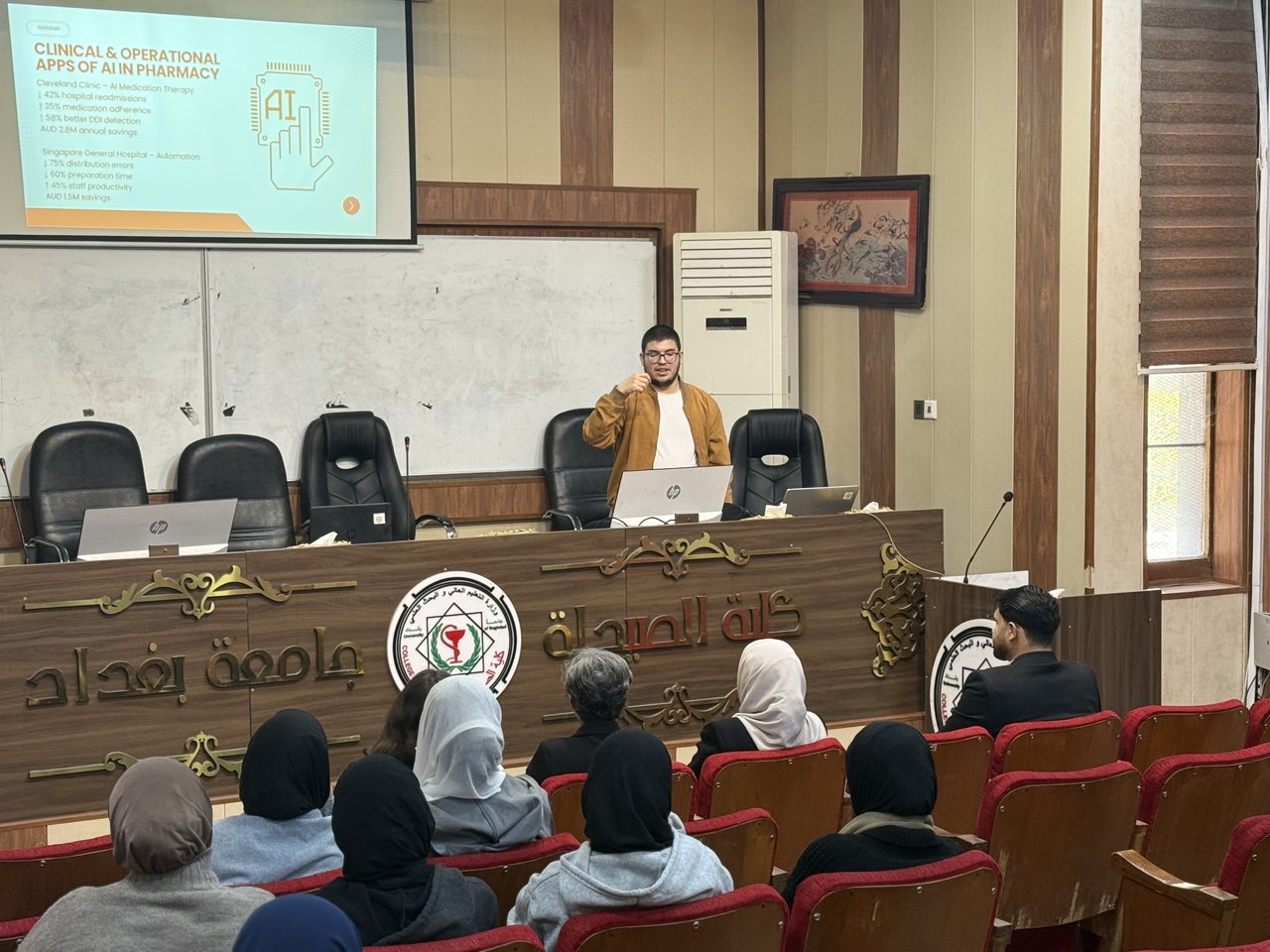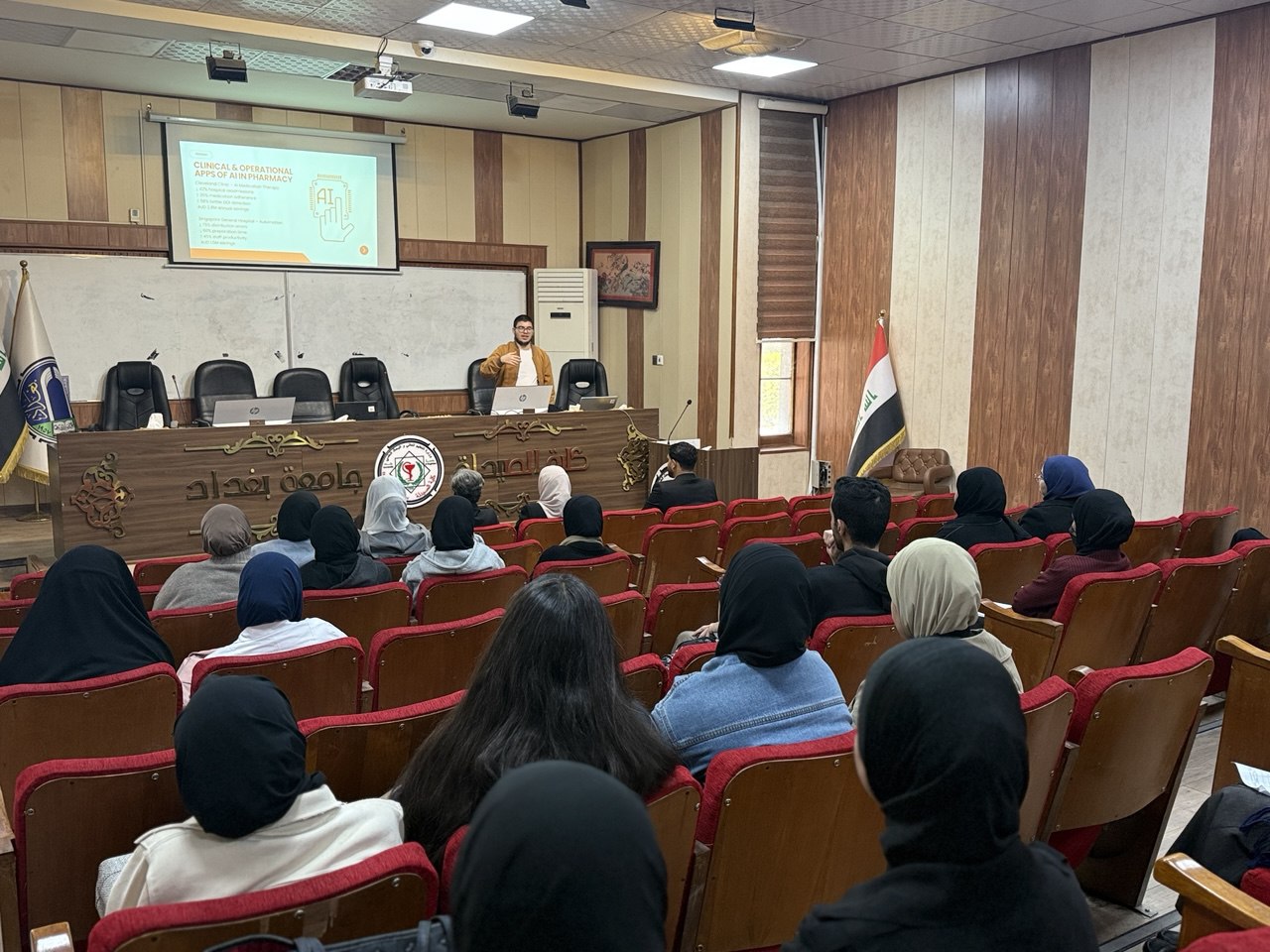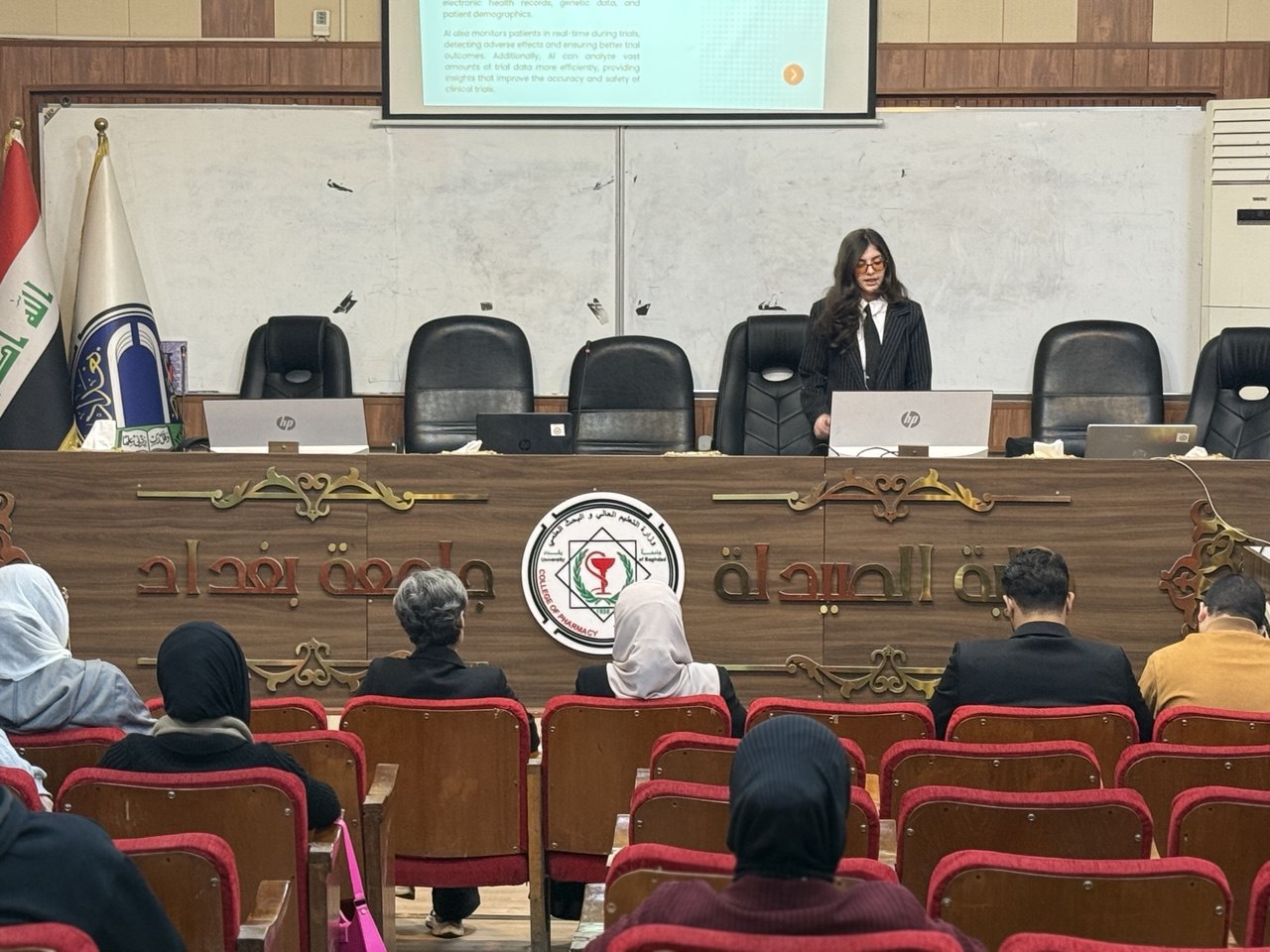

Under the supervision of the Dean of the College of Pharmacy, Professor Dr. Sarmed H. Kathem Alkhateeb, the University Psychological Counseling Unit at the College of Pharmacy / University of Baghdad held a scientific discussion session entitled “AI in Pharmacy: Are Pharmacists Being Replaced by AI?”, prepared and presented by a group of students from the student research club (Pharmacine Club) under the supervision of Assistant Professor Lina Murad Thomas, a faculty member at the Pharmaceutics Department.
The session aimed to introduce artificial intelligence (AI) technologies and highlight their potential to improve healthcare and pharmaceutical services, while discussing the challenges related to their implementation in the healthcare sector.
The session included several key topics, including an introduction to AI as a branch of computer science that focuses on developing systems capable of learning from data, solving problems, and making decisions or inferences in ways that simulate human abilities. Also, the historical development of AI was reviewed, tracing its progression from simple systems in the 1950s to the emergence of machine learning in the 1980s and to modern applications such as natural language processing and computer vision, which are increasingly used in healthcare. Furthermore, in the context of pharmaceutical applications, the session highlighted the use of AI to improve medication adherence, reduce hospital readmissions, and minimize medication dispensing errors. Moreover, the role of AI in drug discovery and development was explored, as it helps accelerate the identification of potential drug compounds and improve patient selection for clinical trials. Also, from an economic perspective, AI can reduce research and development costs and shorten the drug discovery process, potentially saving pharmaceutical companies and healthcare institutions billions of dollars annually. However, several challenges remain, including issues of transparency, data bias, healthcare data privacy, and the difficulty of interpreting complex AI models. In addition, the session reviewed the position of regulatory authorities such as the Food and Drug Administration (FDA), which emphasizes transparency in AI applications and supports the principle of “human in the loop,” ensuring that final decisions remain under the supervision of healthcare professionals.
The session concluded that AI represents a powerful tool that can enhance the efficiency of pharmaceutical practice and contribute to the advancement of scientific research and healthcare services. However, it is not a replacement for pharmacists; rather, it should be viewed as a technological partner that supports their expertise and enhances their ability to provide better patient care.