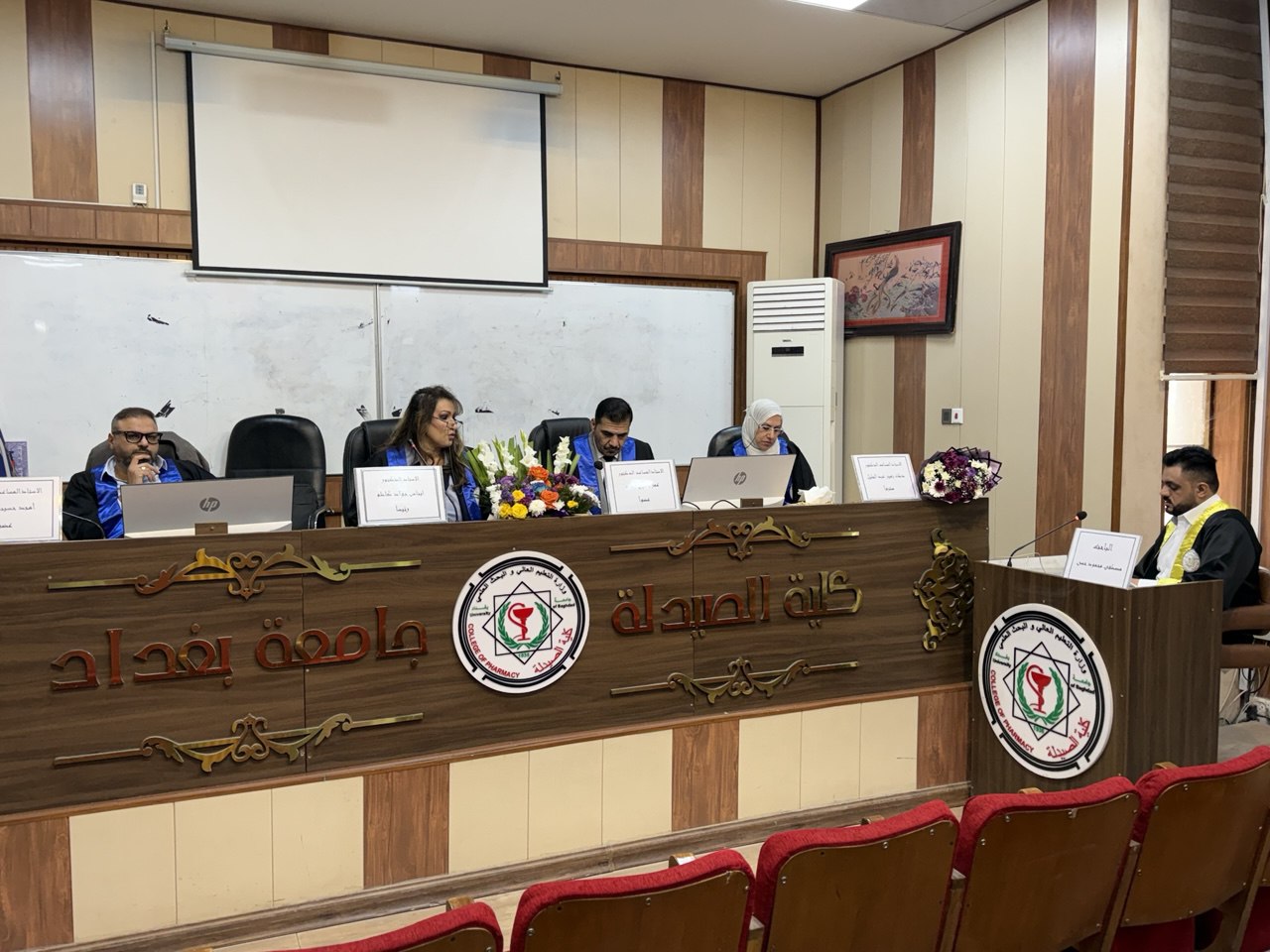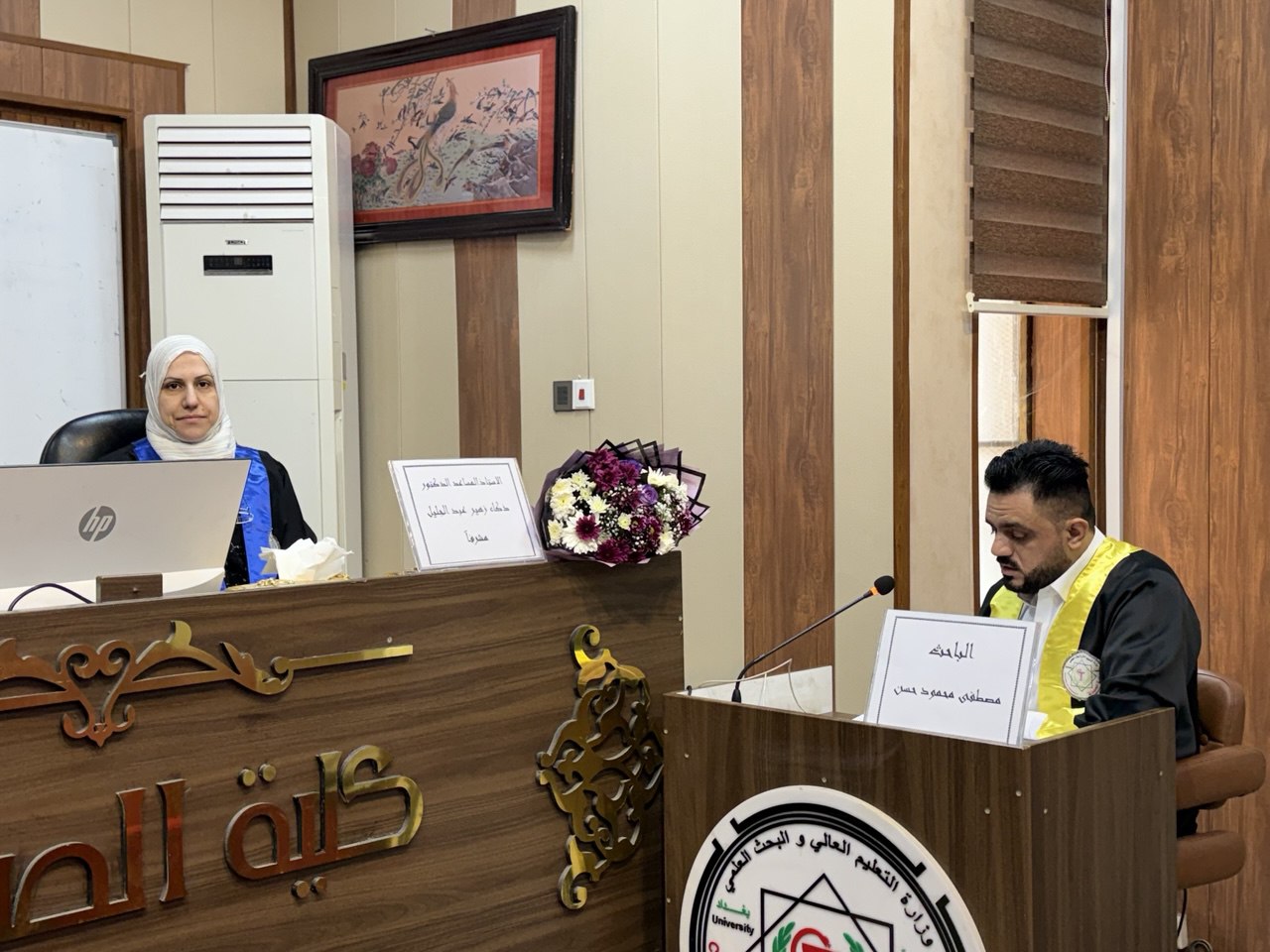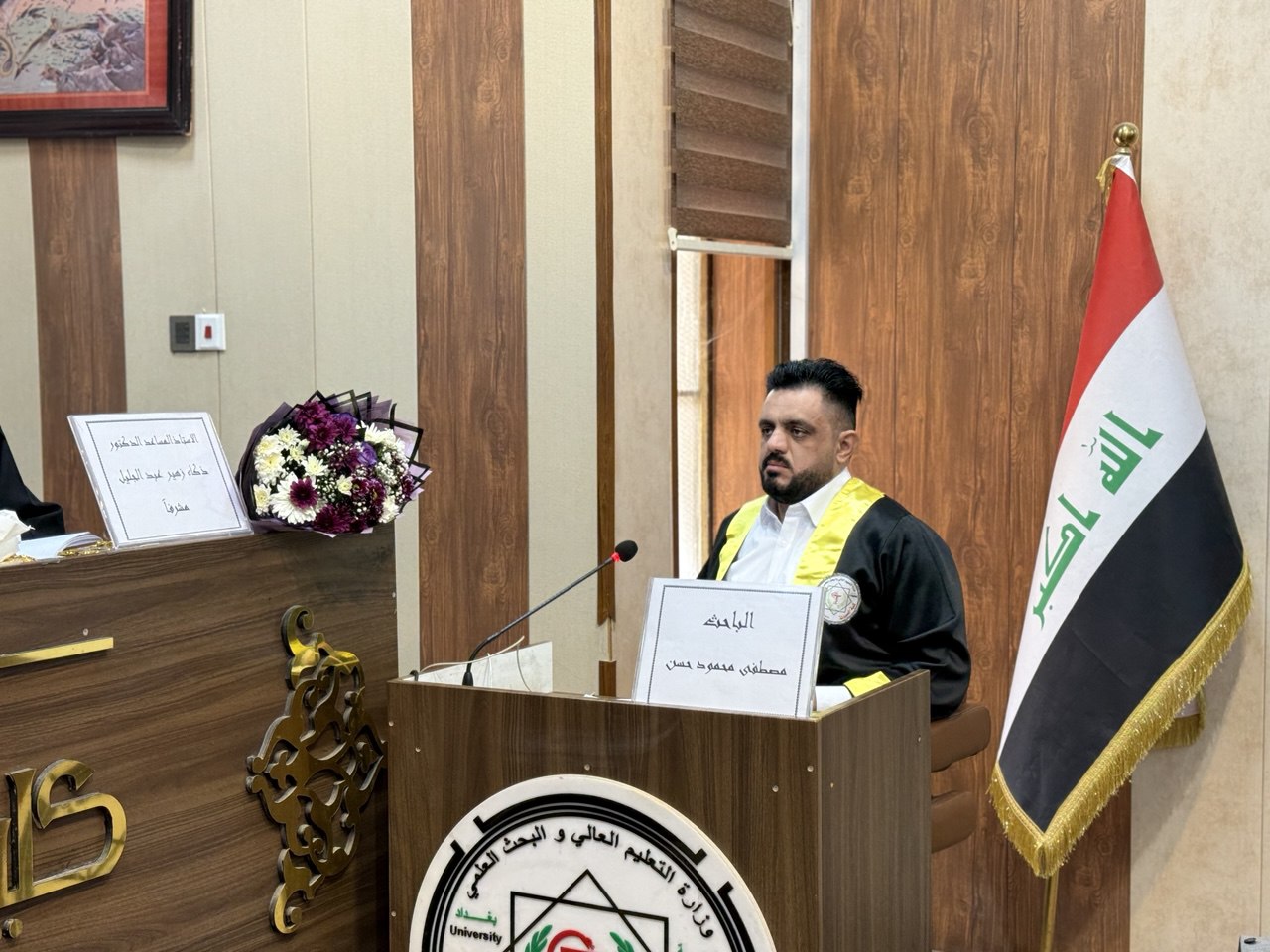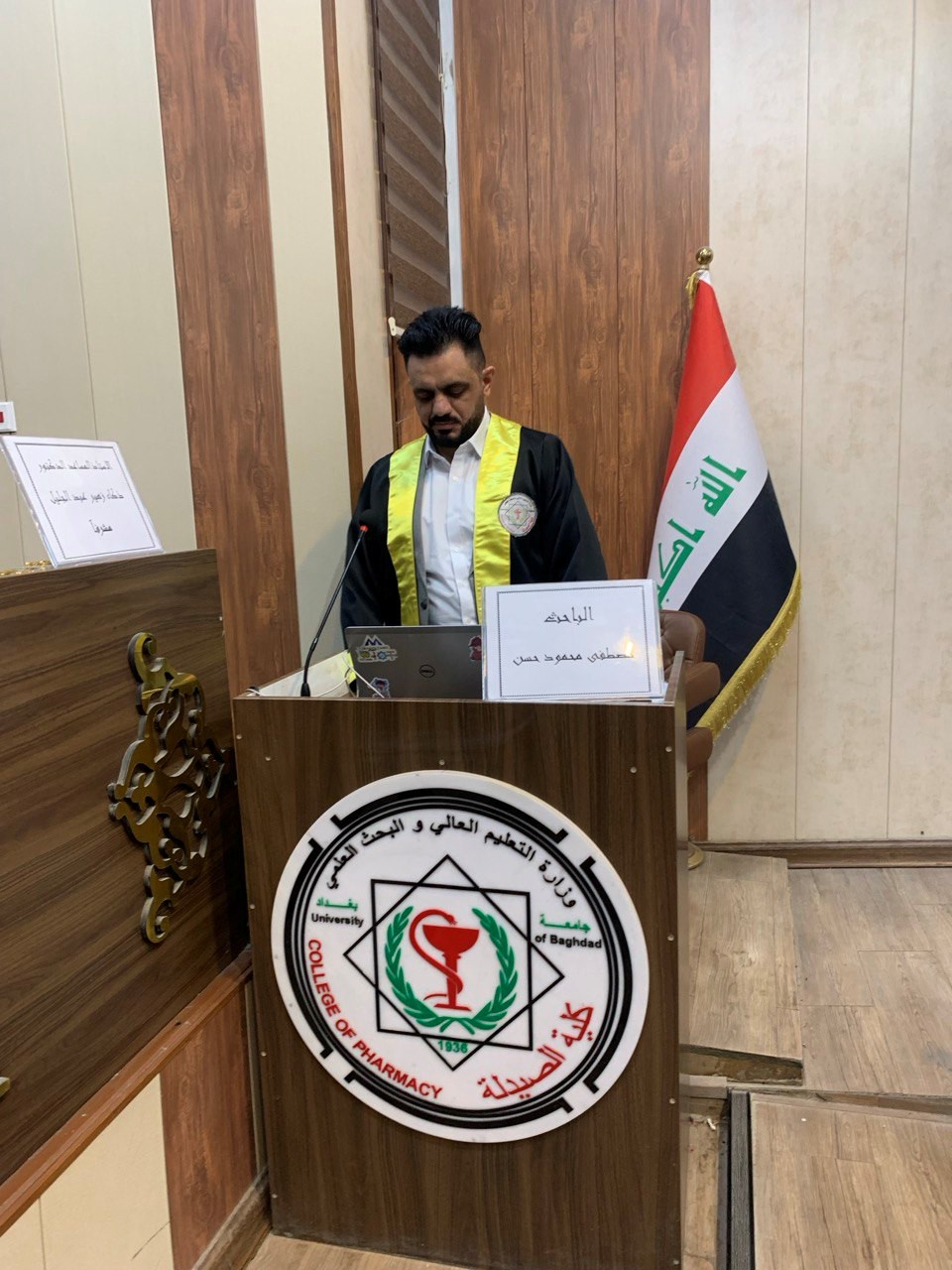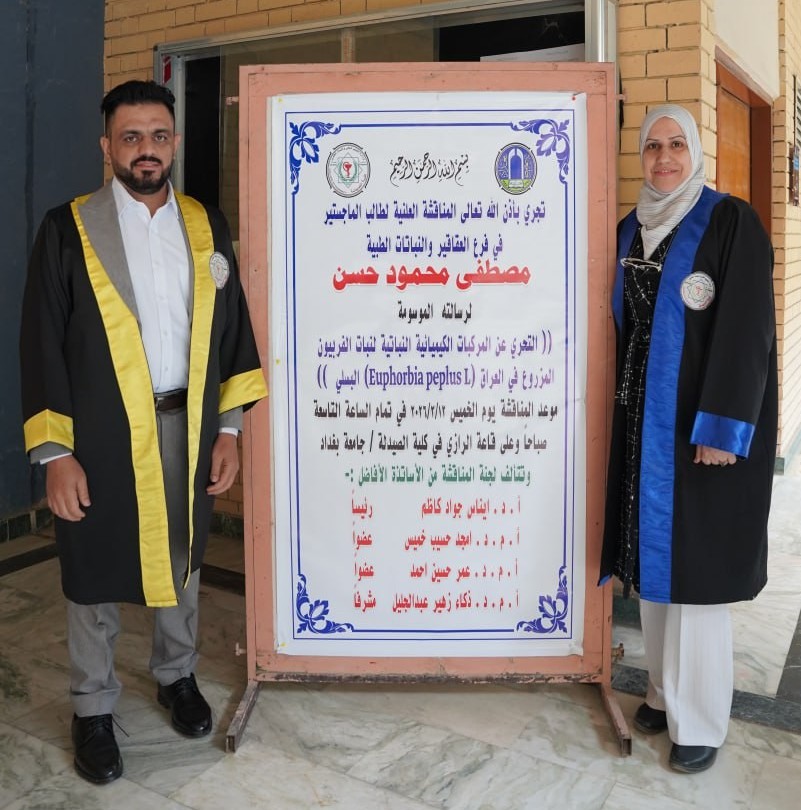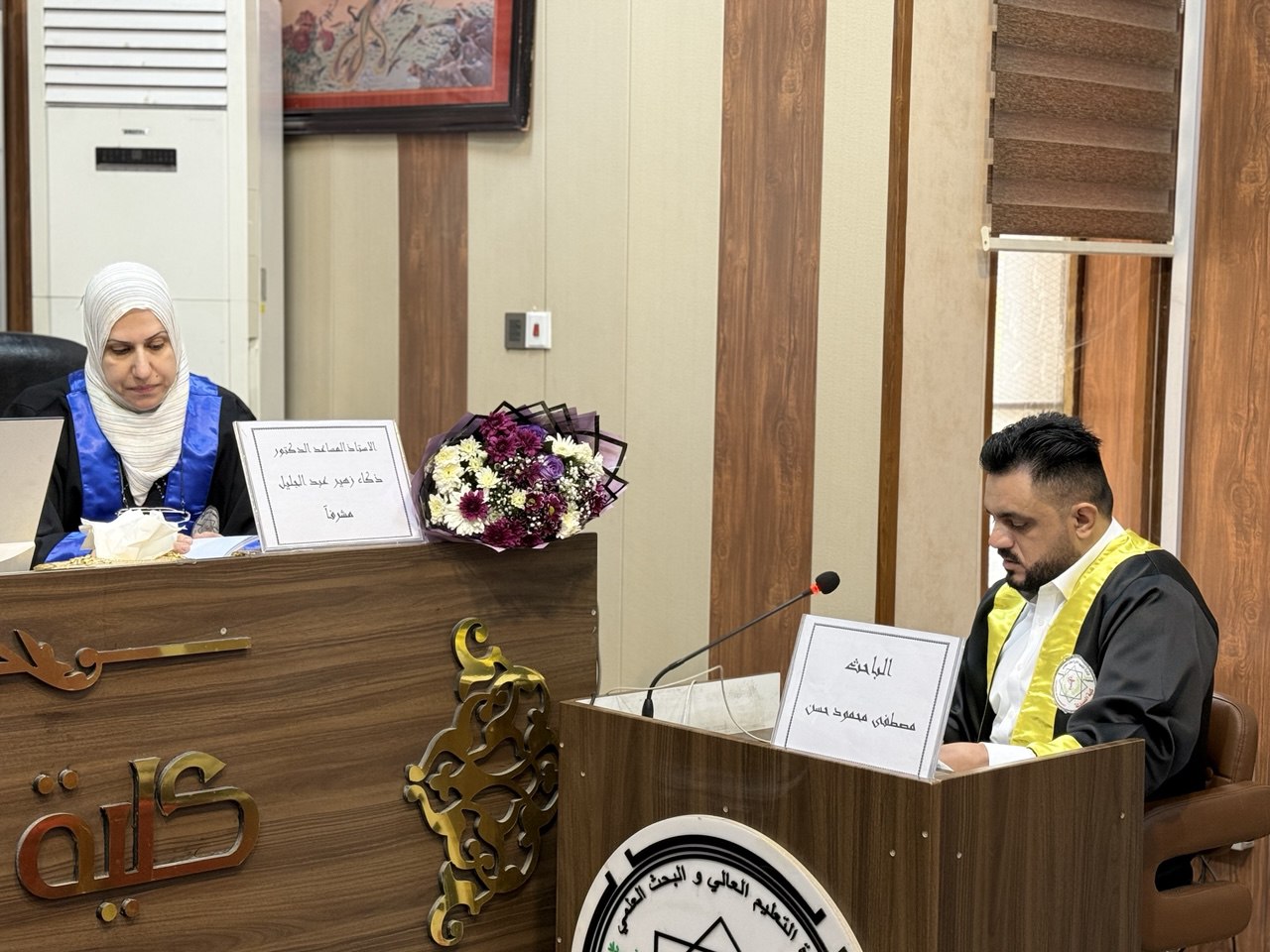
The College of Pharmacy discussed the MSc thesis entitled “Phytochemical Investigation of Euphorbia peplus Cultivated in Iraq and Evaluation of Its Cytotoxic Activity” by the student Mustafa Mahmood Hasan and the supervisor, Assistant Professor Dr. Thukaa Zuhair Abdul-Jalil, at the Pharmacognosy and Medicinal Plants Department.
The study aimed to identify the active constituents of Euphorbia peplus, locally known as petty spurge, cultivated in Iraq, and to evaluate its potential as a natural source rich in pharmacologically important compounds.
The study included sequential extraction of Euphorbia peplus using a Soxhlet apparatus with solvents of increasing polarity to obtain a wide range of bioactive compounds, followed by phytochemical screening using various chromatographic techniques, including thin layer chromatography (TLC) for preliminary separation and identification, while high-performance liquid chromatography (HPLC) was used for accurate identification through retention time comparison with standards, and preparative layer chromatography (PLC) was employed for isolation and purification of selected compounds. Moreover, GC-MS (gas chromatography-mass spectrometry) and FT-IR (Fourier transform infrared spectroscopy) were employed for identification and confirmation of purity. Finally, the chemical structures of the isolated compounds were elucidated using appropriate spectroscopic techniques.
The results showed that Euphorbia peplus is considered a promising and rich source of biologically active compounds, as the analyses revealed the presence of a wide variety of active constituents possessing anticancer and anti-angiogenic properties. Compounds such as stigmasterol, β-sitosterol, lupeol, and scopoletin were isolated, along with other compounds in high concentrations such as gallic acid, resveratrol, caffeic acid, epicatechin, catechin, benzoic acid, apigenin, and cinnamic acid, which are known for their diverse therapeutic properties, including anti-inflammatory and antioxidant effects. Furthermore, the extract demonstrated a significant cytotoxic effect against the PC-3 prostate cancer cell line in a concentration-dependent manner, with an IC₅₀ value of approximately 162.5 µg/mL.
The study recommended conducting further advanced pharmacological and pharmaceutical studies on Euphorbia peplus to more broadly evaluate its therapeutic efficacy and to explore its potential use in the development of natural pharmaceutical preparations in the future.