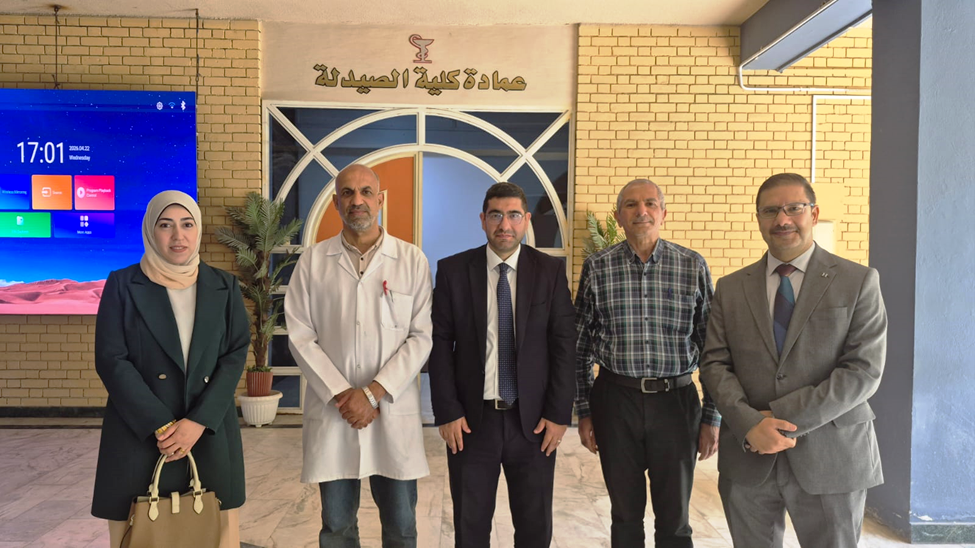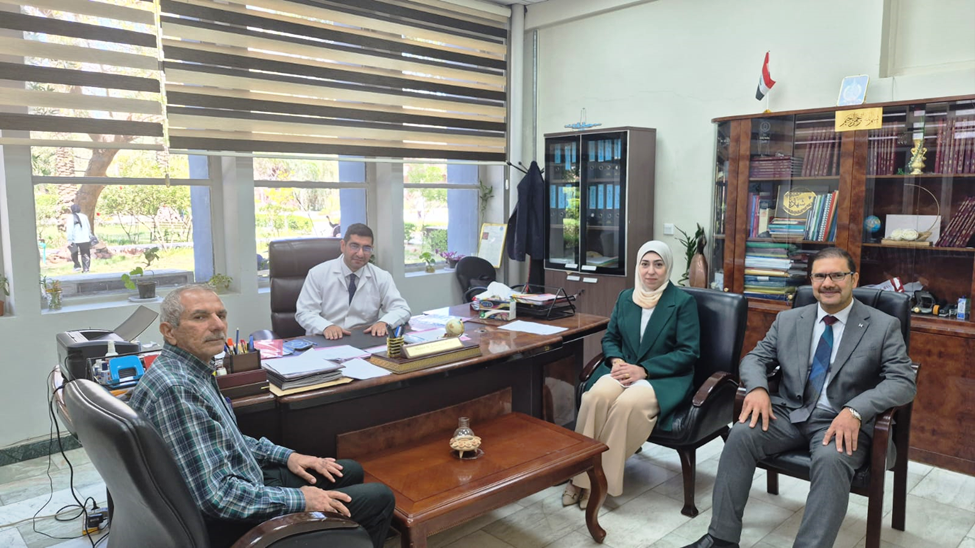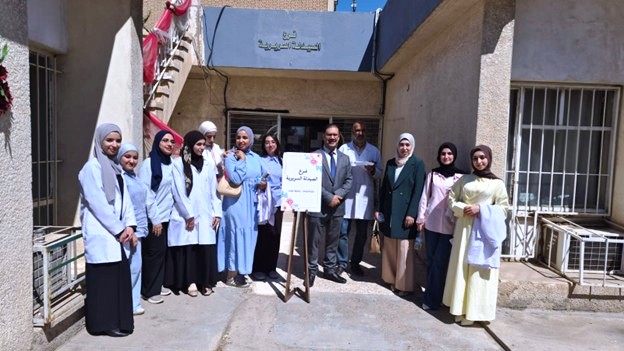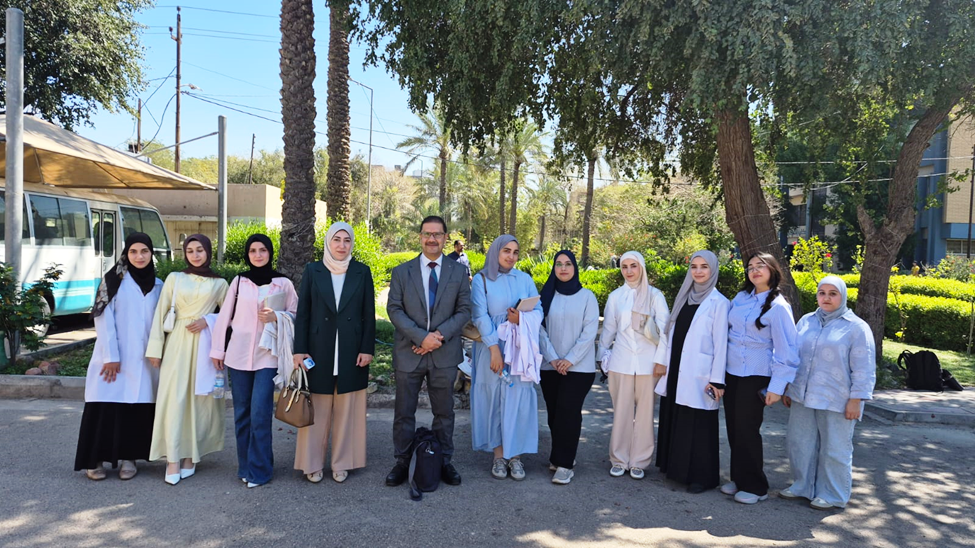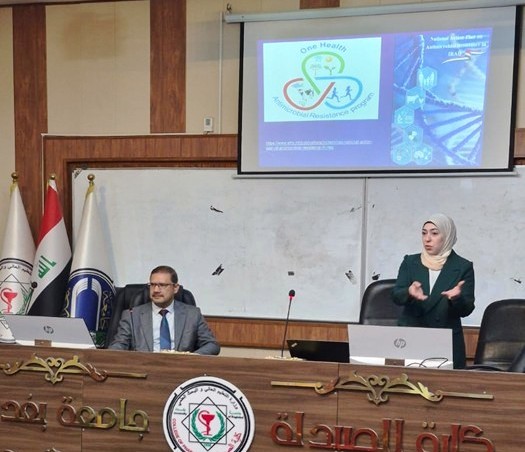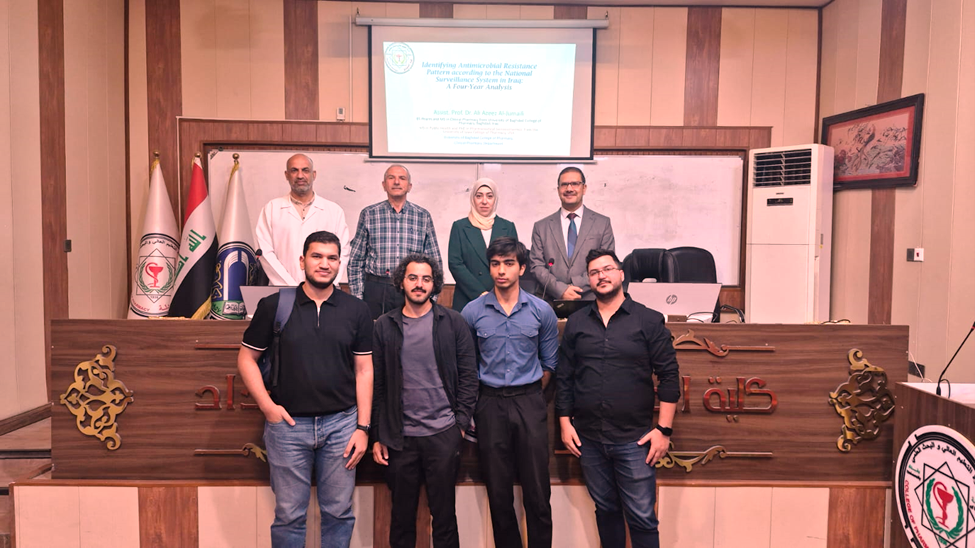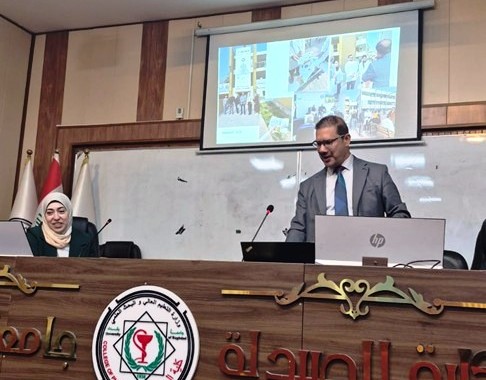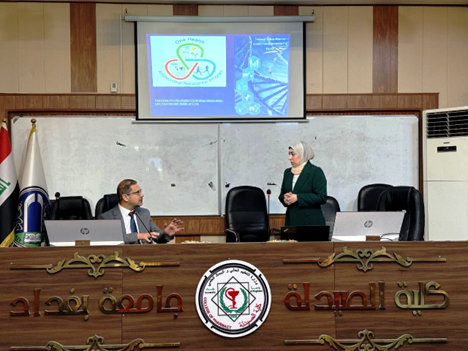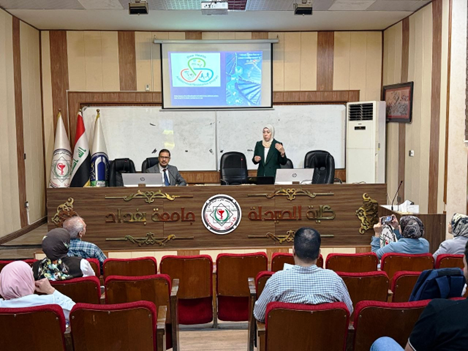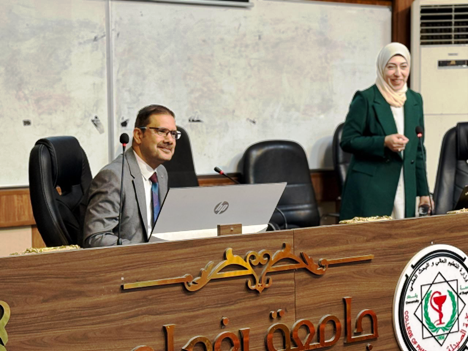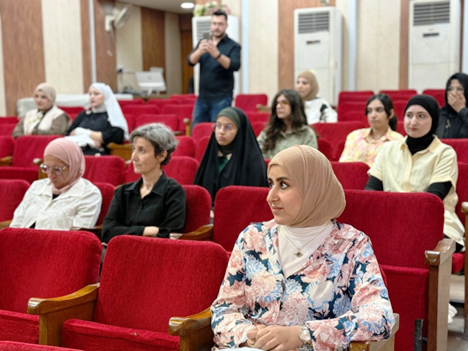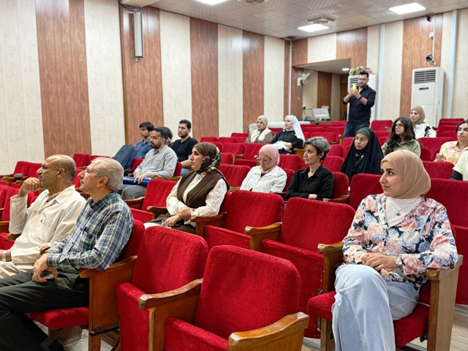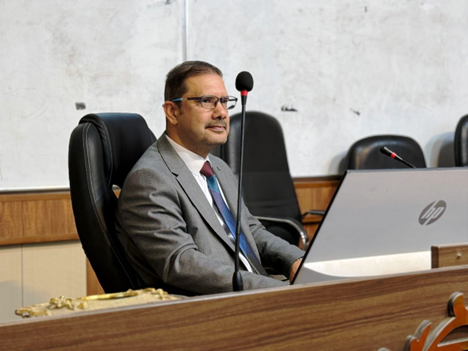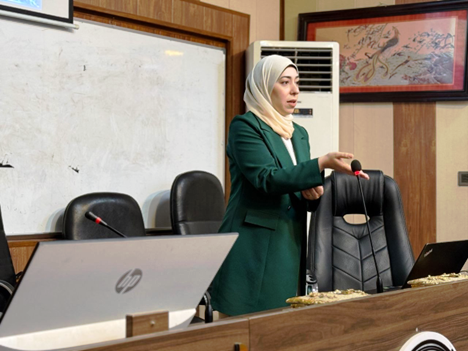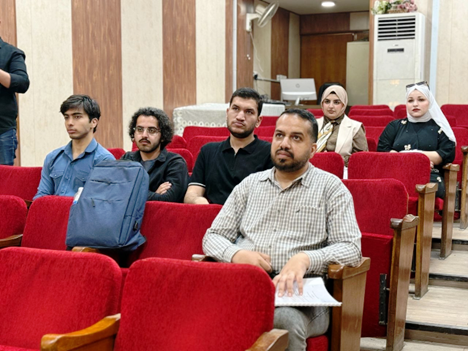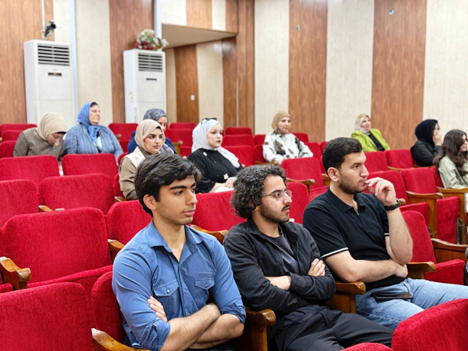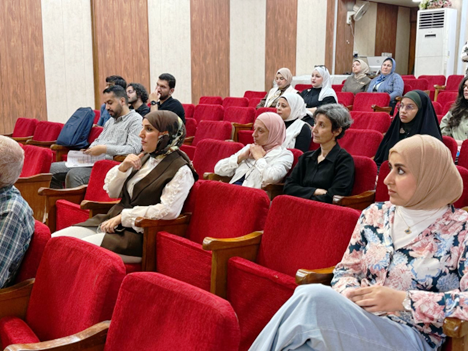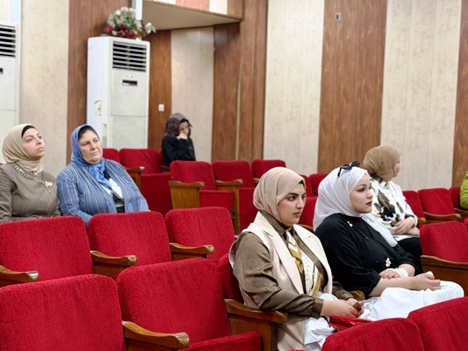
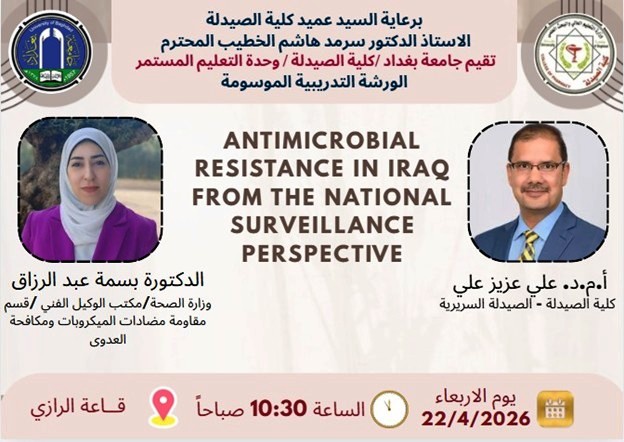
Under the supervision of the Dean of the College of Pharmacy, Professor Dr. Sarmed H. Kathem Alkhateeb, the Continuing Education Unit at the University of Baghdad/ College of Pharmacy, in cooperation with the Department of Antimicrobial Resistance and Infection Control at the Ministry of Health, held an in-person workshop entitled “Monitoring Bacterial Resistance in Iraq: Mechanisms and Outcomes,” delivered by Assistant Professor Dr. Ali Azeez Ali, a faculty member at the Clinical Pharmacy Department , and Dr. Basma Abdul-Razzaq, Head of the Antimicrobial Resistance and Infection Control Department at the Ministry of Health.
The workshop aimed to introduce the status of bacterial resistance monitoring in Iraq, highlight the mechanisms adopted to track the spread of antibiotic-resistant bacteria and their impact on public health, and promote awareness of the importance of infection control and the rational use of antibiotics to limit the worsening of bacterial resistance. These efforts are aligned with the Sustainable Development Goals, particularly Goal 3 (Good Health and Well-being) through supporting disease prevention and strengthening effective healthcare systems, and Goal 4 (Quality Education) through spreading scientific knowledge and health awareness in the field of antimicrobial resistance.
The workshop included several topics presented by Dr. Basma Abdul-Razzaq and Assistant Professor Dr. Ali Azeez Ali. Dr. Basma reviewed the mechanism of the bacterial resistance surveillance program at the Ministry of Health through the WHONET program approved by the World Health Organization, and its role in analyzing hospital data and issuing reports on bacterial patterns and antibiotic resistance. Meanwhile, Dr. Ali Azeez presented the results of the national bacterial resistance study for the years (2020–2023), highlighting the pioneering role of the College of Pharmacy / University of Baghdad in teaching antimicrobial resistance in cooperation with the Ministry of Health and the World Health Organization. The workshop also witnessed discussions on the importance of strengthening cooperation to reduce the increasing rates of bacterial resistance in Iraq.
The workshop concluded with emphasizing the importance of strengthening bacterial resistance surveillance programs, developing infection control mechanisms, and promoting awareness of the rational use of antibiotics to limit the spread of resistant bacteria and protect community health.