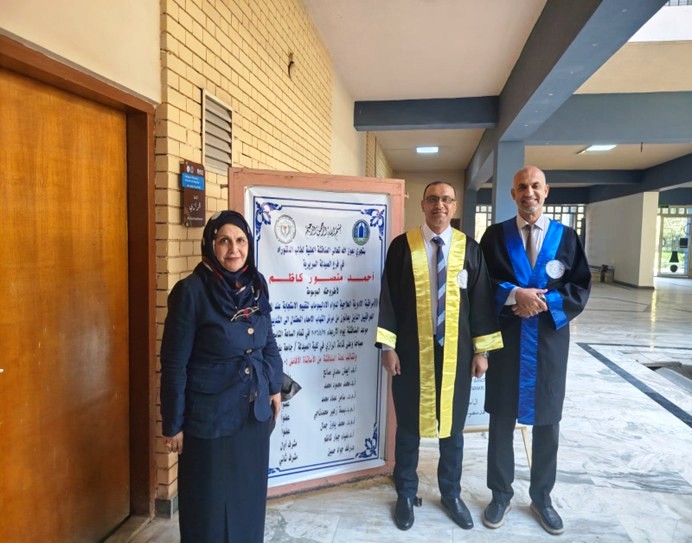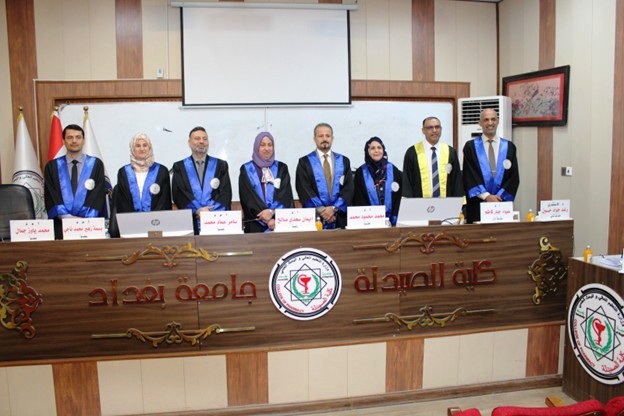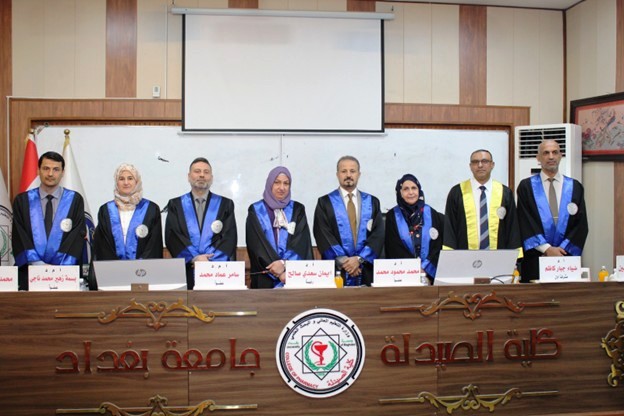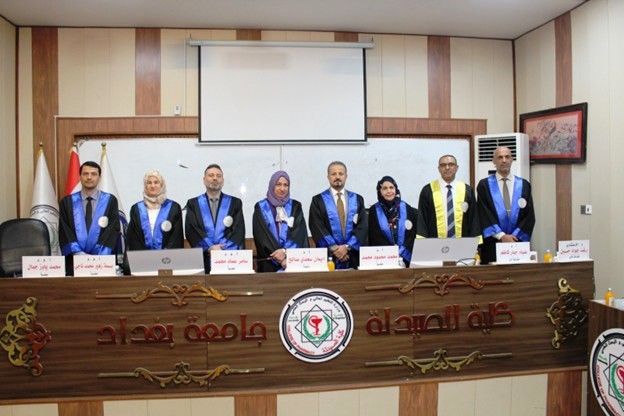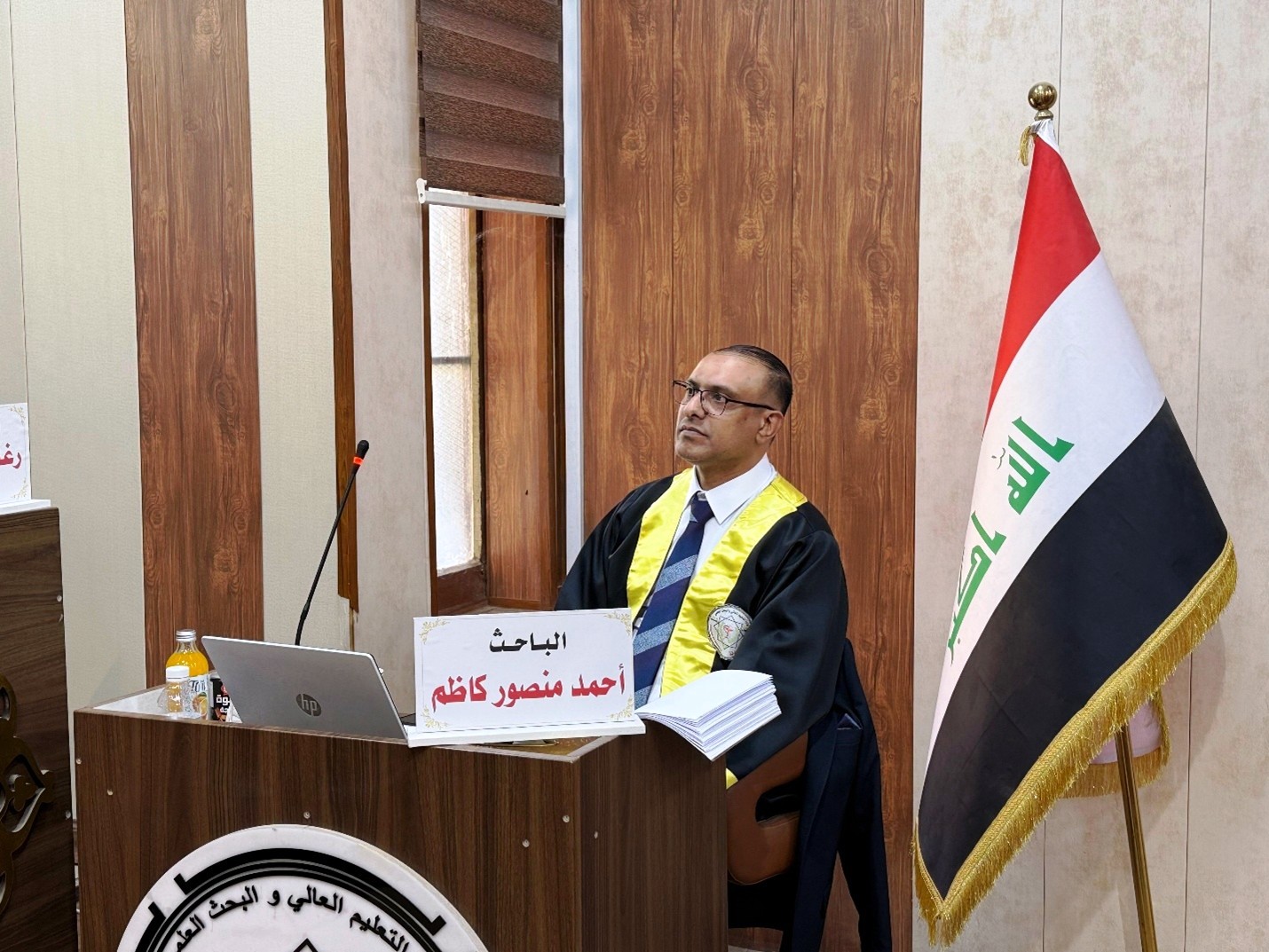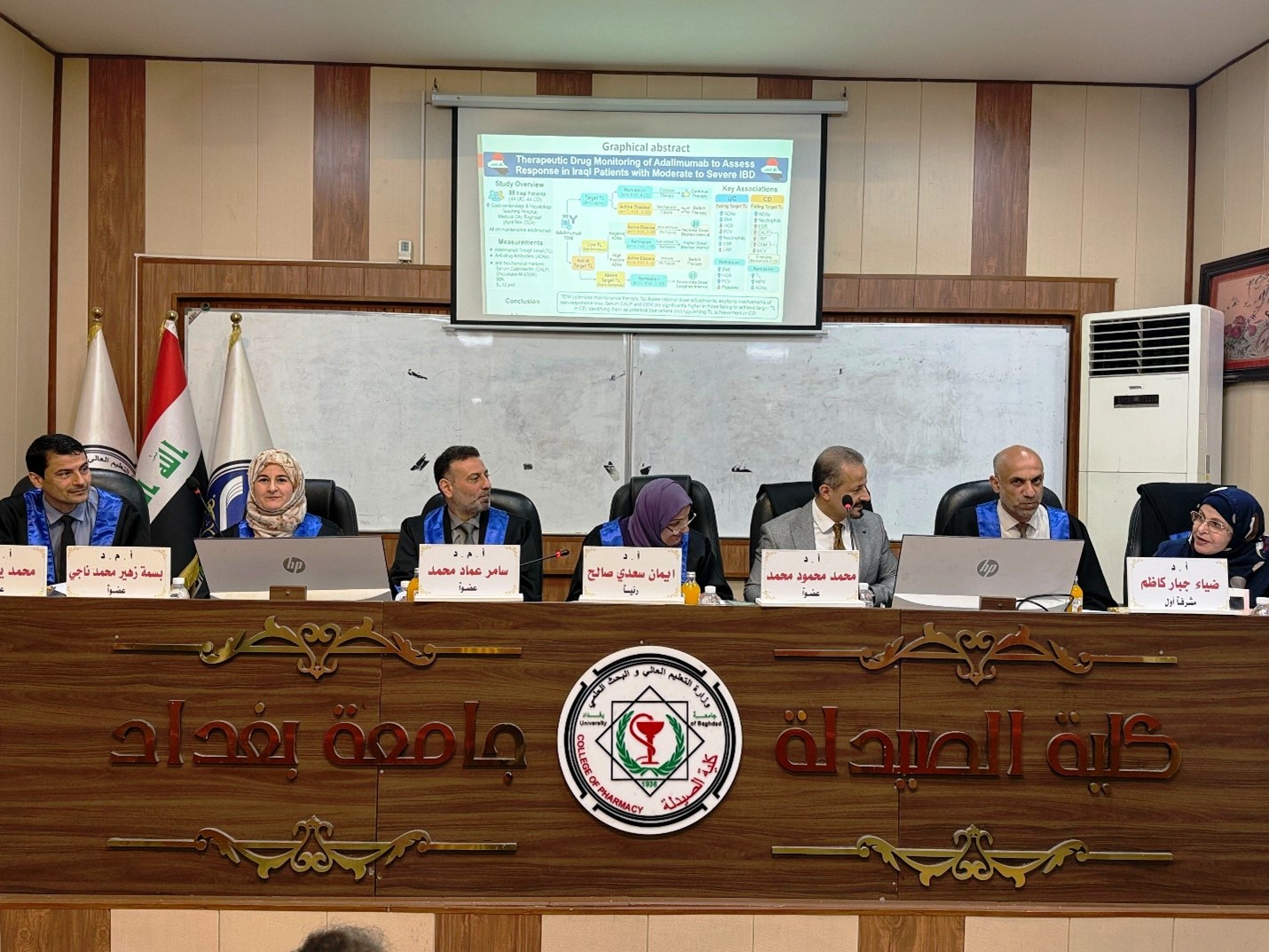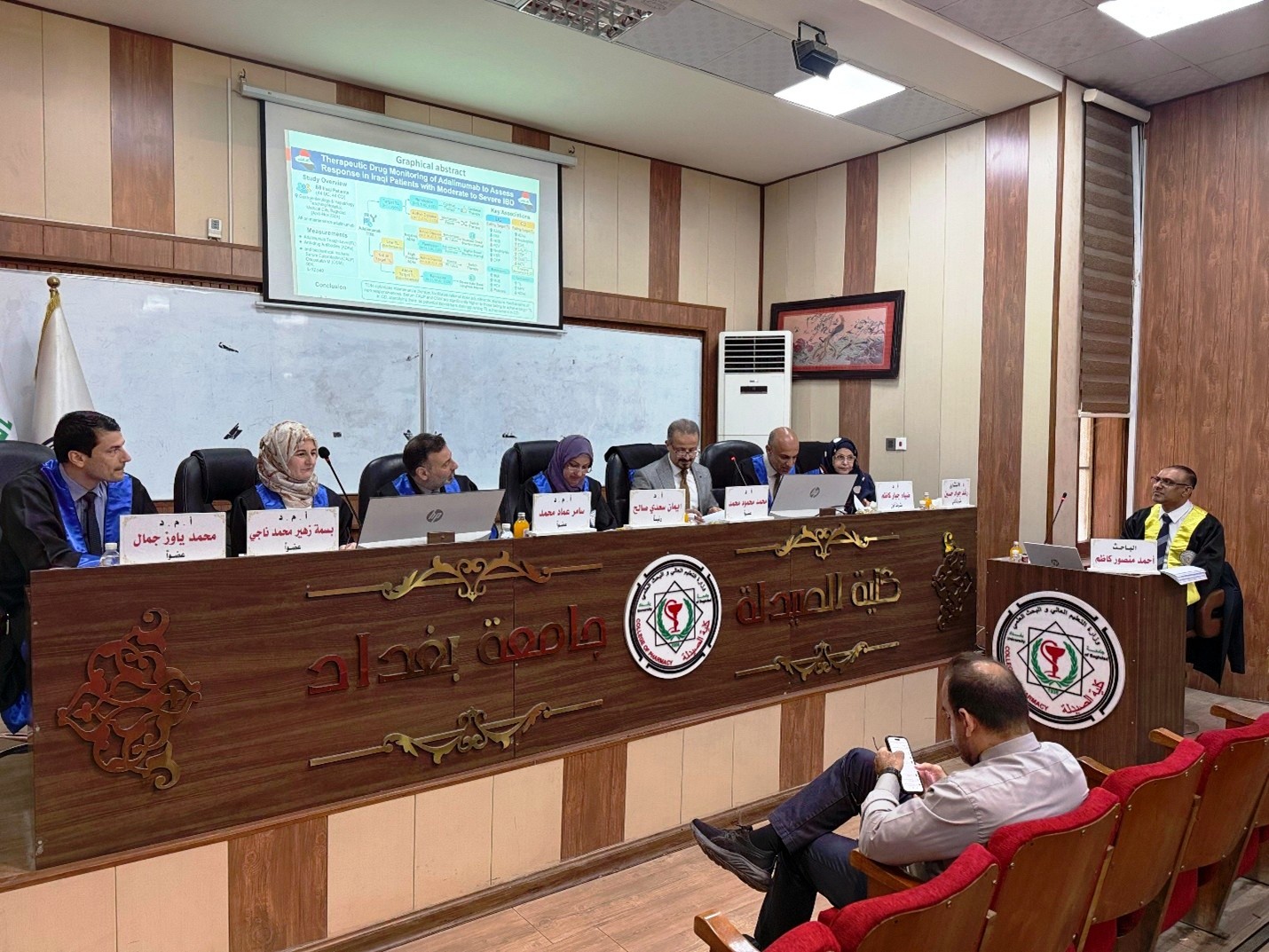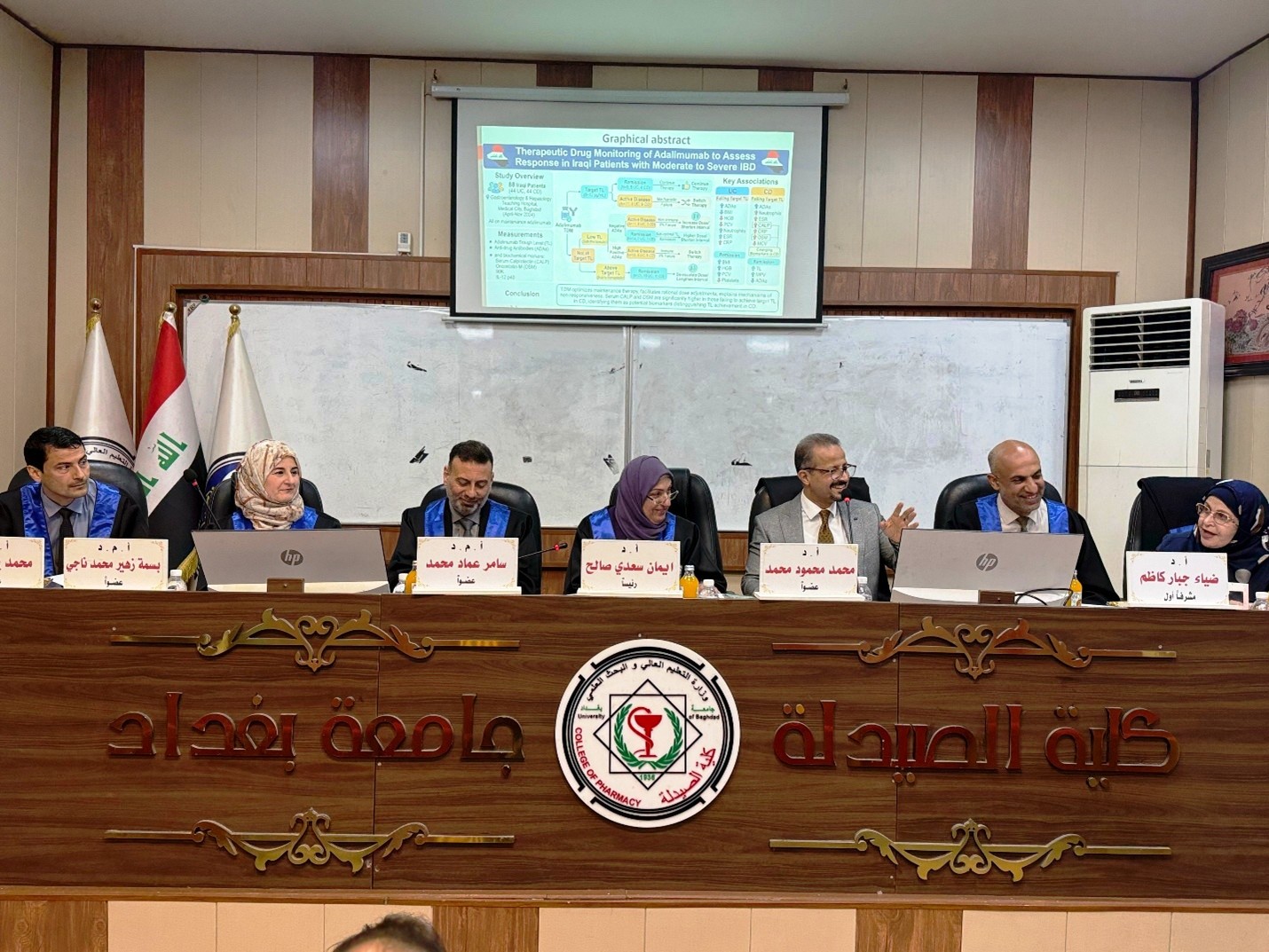
The College of Pharmacy discussed the PhD dissertation entitled “Therapeutic Drug Monitoring of Adalimumab to Assess Response in Iraqi Patients with Moderate to Severe Inflammatory Bowel Disease” by the student Ahmed Mansur Kadhim, and the supervisor, Professor Dr. Dheyaa Jabbar Kadhim and the co-supervisor, Consultant Dr. Raghad Jawad Hussein, at the Clinical Pharmacy Department.
The study aimed to evaluate the therapeutic levels of adalimumab and its relationship to clinical response in patients with inflammatory bowel disease (IBD), while also examining the association of certain biomarkers with achieving the therapeutic goal.
The study included the enrollment of eligible patients diagnosed with IBD during routine visits who were receiving maintenance adalimumab treatment at the Gastroenterology and Hepatology Teaching Hospital, Medical City, Baghdad, Iraq, between April and November 2024. The participants were categorized into two groups: Group 1 included patients who reached the target trough level of “8–12 µg/mL”, whereas Group 2 included those who did not. Additionally, IBD patients were further divided based on disease activity into remission and active disease subgroups. For each patient, sociodemographic and disease characteristics data were obtained, routine laboratory tests were assessed, alongside measurements of serum adalimumab trough levels (TL), antidrug antibodies (ADAs), CALP, OSM, 90K, and IL-12 p40 levels.
The results showed that therapeutic drug monitoring for adalimumab could represent an important tool to assist in optimizing maintenance therapy, facilitating rational dose adjustments, and explaining the potential causes of non-responsiveness to adalimumab in IBD patients. Among emerging biomarkers, serum CALP and OSM indices could be associated with achieving the treatment goal, as their levels were significantly higher in those failing to achieve the target adalimumab TL, suggesting their potential use as biomarkers to differentiate between patients who achieved and did not achieve the treatment goal in Crohn’s disease.
The study recommended conducting prospective interventional longitudinal multicenter Iraqi studies with serial measurements of serum adalimumab TL and ADAs at standardized intervals to evaluate primary non-response and secondary loss of response.