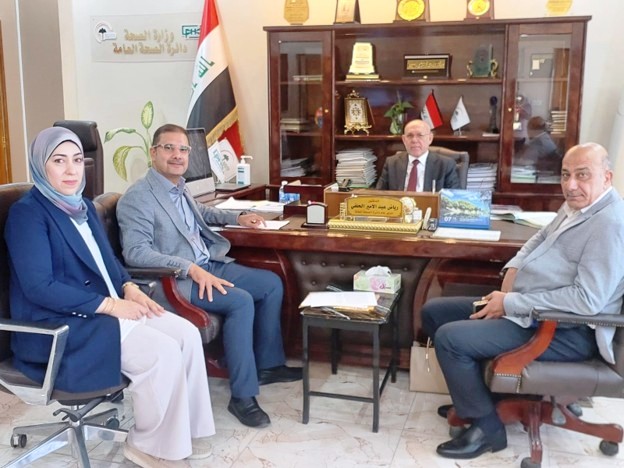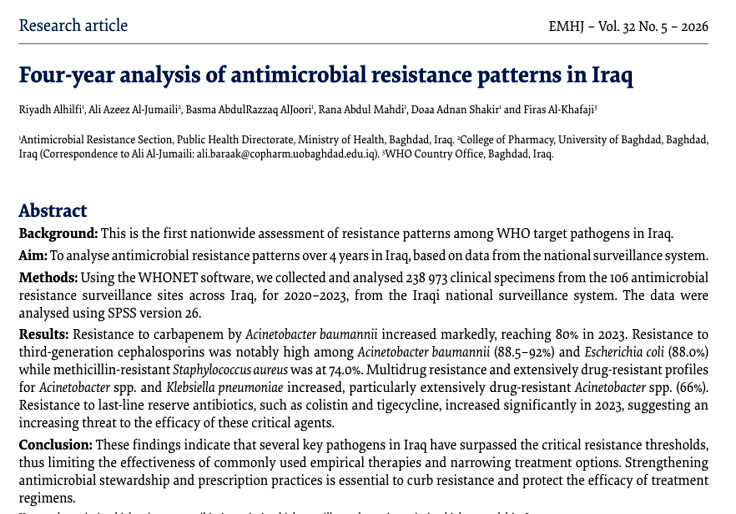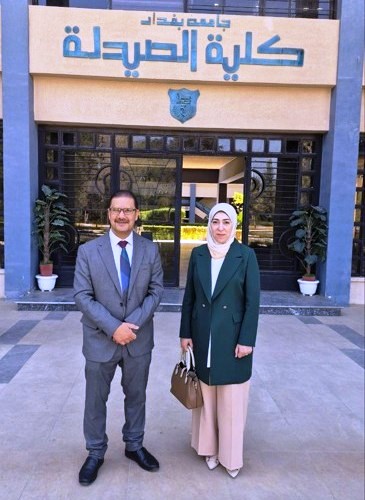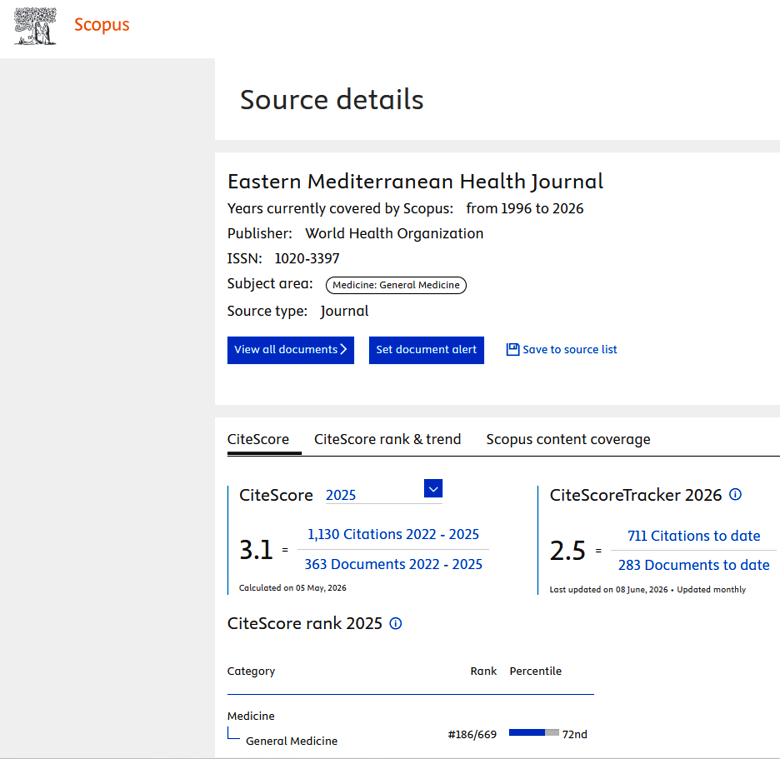
Under the guidance of the Dean of the College of Pharmacy/ University of Baghdad, Professor Dr. Sarmed H. Kathem Al-Khateeb, a research collaboration was established between the Department of Clinical Pharmacy, represented by Assistant Professor Dr. Ali Azeez Ali, and the Antimicrobial Resistance Division at the Ministry of Health/Public Health Directorate, in coordination with the World Health Organization (WHO) Iraq Office. The collaboration resulted in a research study based on the national surveillance reports of bacterial resistance in Iraqi hospitals over four consecutive years. The findings were published in the Eastern Mediterranean Health Journal (EMHJ), a peer-reviewed journal of the World Health Organization ranked in the first quartile (Q1) in the Scopus database.
The collaboration involved Dr. Riyadh Al-Halfi, Director General of the Public Health Directorate; Dr. Basma Abdul Razzaq Al-Jouri, Head of the Antimicrobial Resistance Division; Pharmacist Rana Abdul Mahdi; Dr. Doaa Adnan Shaker from the same division; and Dr. Firas Al-Khafaji from the WHO Iraq Office. This joint research effort led to the completion of the first comprehensive national study covering all governmental hospitals in Iraq over four consecutive years, utilizing the WHO-approved WHONET software, which is widely used in many countries worldwide for the surveillance and analysis of antimicrobial resistance data.
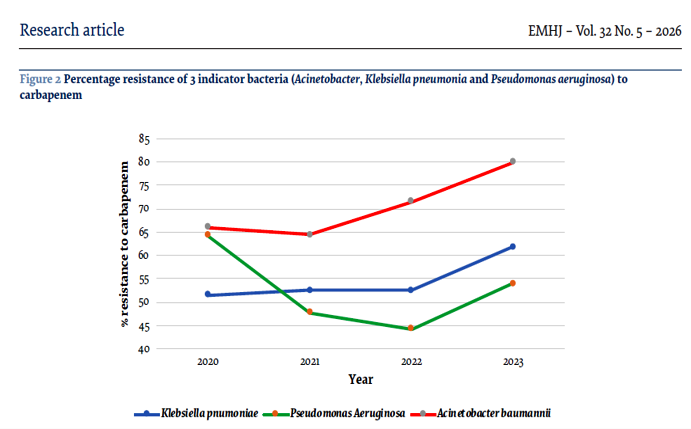
The study revealed a significant increase in bacterial resistance rates to most antibiotics commonly used in Iraq, along with a growing prevalence of multidrug-resistant bacterial strains. Moreover, some strains demonstrated resistance to all available antibiotics. These findings provide an important scientific foundation for healthcare policymakers, physicians, and researchers to develop effective strategies for combating antimicrobial resistance, promoting the rational use of medicines, and improving the quality of healthcare services provided to patients.
The study supports the Ministry of Health’s efforts to monitor antimicrobial resistance patterns at the national level by providing reliable scientific data that can inform evidence-based health policies and help mitigate the risks associated with increased mortality rates, treatment failures, and prolonged hospital stays. The publication of the study in a WHO-affiliated journal highlights the international scientific significance of the Iraqi data and its contribution to global efforts aimed at addressing antimicrobial resistance.
This collaboration represents a successful model of partnership between academic institutions, national health authorities, and international organizations. It reflects the leading role of the College of Pharmacy, University of Baghdad, in utilizing scientific research to address priority public health challenges. Furthermore, this achievement aligns with the United Nations Sustainable Development Goals (SDGs), particularly SDG 3 (Good Health and Well-being) through supporting disease control and enhancing healthcare quality, and SDG 17 (Partnerships for the Goals) through fostering effective collaboration between the University of Baghdad, the Ministry of Health, and the World Health Organization to promote sustainable health development in Iraq.
For more information, please refer to the research article available at the link below: Research paper