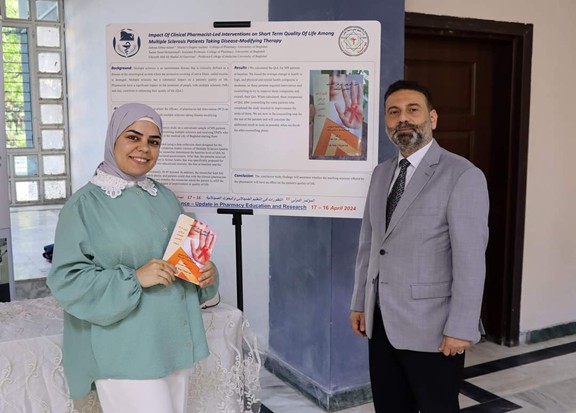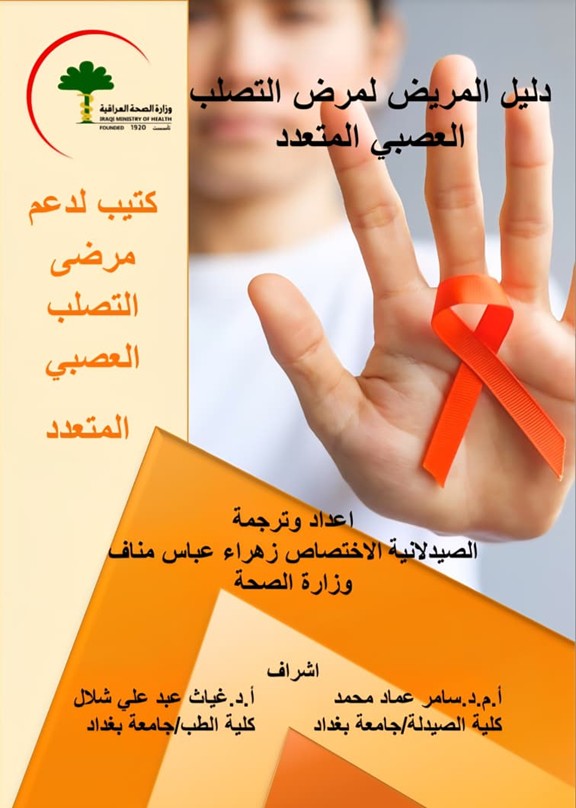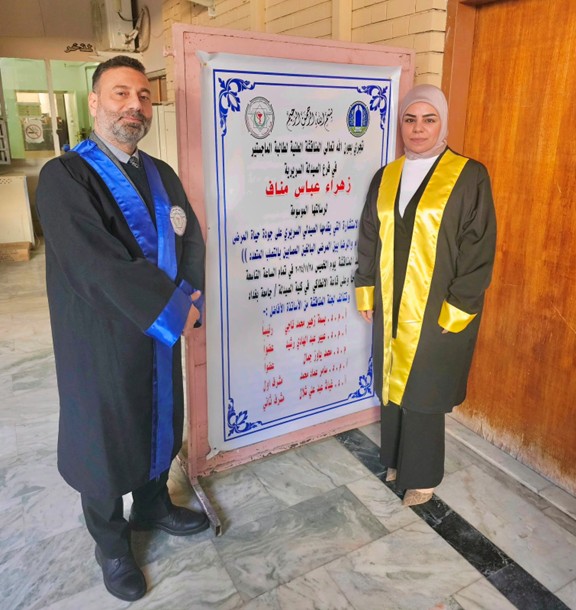
In an achievement that highlights the impact of scientific research on advancing healthcare services, the Iraqi Ministry of Health has officially adopted an educational guide for patients with Multiple Sclerosis (MS). The guide was developed as part of a Master’s thesis in Clinical Pharmacy at the University of Baghdad, College of Pharmacy, by pharmacist Zahra Abbas Manaf, under the supervision of Professor Dr. Samer Imad Mohammed, Head of the Clinical Pharmacy Department. The guide was approved following its review by the Advisory Committee for Neurology and Neurophysiology at the Ministry of Health’s Technical Affairs Department. The committee recognized the scientific value of the research and recommended the adoption and distribution of the guide to Multiple Sclerosis clinics as an educational resource to support patients and enhance the quality of healthcare services provided to them. The guide aims to provide patients with Multiple Sclerosis with clear, reliable, and evidence-based information to help them better understand their condition, manage its challenges, and improve adherence to treatment plans. It also serves as a unified educational reference for healthcare professionals working in specialized MS clinics, contributing to improved patient education and the overall quality of care. The Ministry’s adoption of this guide reflects the importance of translating postgraduate research into practical healthcare applications and underscores the University of Baghdad, College of Pharmacy’s commitment to producing impactful research that addresses national healthcare priorities and contributes to improving patient outcomes. This achievement also aligns with the Sustainable Development Goals (SDGs), particularly SDG 3 (Good Health and Well-being) by promoting patient education and improving healthcare quality, SDG 4 (Quality Education) through the application of academic research to real-world healthcare challenges, and SDG 17 (Partnerships for the Goals) by strengthening collaboration between academic institutions and the healthcare sector to advance sustainable development.